Champagne is the world’s most famous sparkling wine, and the bottle we open for every celebration, from birthdays to New Year’s Eve. But behind the name, there are many different styles, from bone-dry Brut Nature to rich vintage Champagne and pink rosé. Here’s what Champagne is, the different types to look for on the label and what to eat with it.
What is Champagne?
Pronunciation: sham-PAIN (English), shahm-PAHN-yuh (French)
Champagne is a sparkling wine from the Champagne region, in north-east France, around the cities of Reims and Épernay. The name is protected, so only wines made there, following strict rules, can be called Champagne.
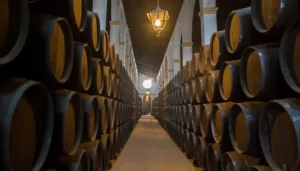
Champagne is made using the traditional method: after a first fermentation, the wine goes through a second fermentation in the bottle, which creates the bubbles. It’s then aged on its lees, the dead yeast cells, which give it its typical toasty, brioche notes. This long ageing is one of the key steps in how sparkling wine is made.
Which grapes are used in Champagne?
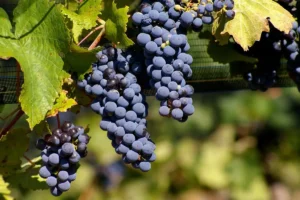
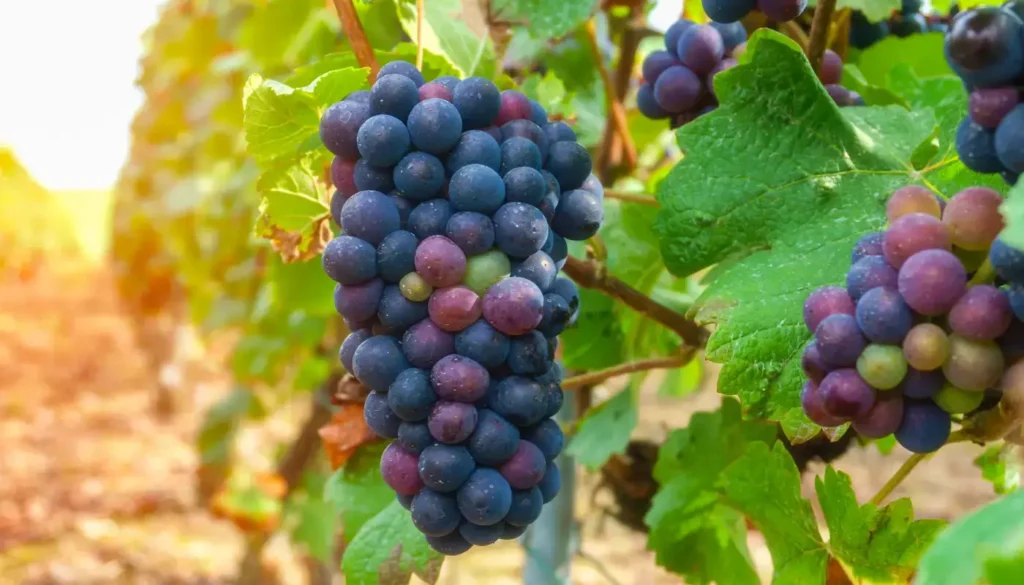
Most Champagne is a blend of three grapes, each bringing something different:
- Chardonnay: freshness, citrus and elegance, and the ability to age
- Pinot Noir: body, structure and red fruit
- Meunier: fruitiness and roundness, making the wine approachable young
A few rare varieties are also allowed, but they’re very little planted. The choice of grapes shapes the style. A Blanc de Blancs is made only from Chardonnay, while a Blanc de Noirs relies on Pinot Noir and Meunier.
What are the different types of Champagne?
The label tells you a lot about what’s in the bottle, from the grapes used to how long the wine has aged.
Non-vintage and vintage
Most Champagne is non-vintage, a blend of wines from several years, which gives each house a consistent style. It must age for at least 15 months before release.
Vintage Champagne is made from a single, exceptional year, and must age for at least three years. It’s richer and more complex, with deeper toasty and nutty notes.
Blanc de Blancs
Blanc de Blancs means “white from whites”: it’s made only from white grapes, almost always Chardonnay. It’s fresh, elegant and citrusy, and often ages beautifully.
Blanc de Noirs
Blanc de Noirs means “white from blacks”: it’s a white Champagne made only from black grapes, Pinot Noir and Meunier. It’s fuller and rounder, with red fruit notes.
Rosé Champagne
Rosé Champagne is usually made by blending a little red wine into white wine, which is rare for other rosés. Some producers use the saignée method instead, one of the ways rosé wine is made, with a short contact between the juice and the skins. It has red berry flavours, like strawberry and raspberry.
Prestige cuvées
Prestige cuvées are the top Champagnes of each house, made from the best grapes and aged for longer. They’re the most complex and most expensive bottles, often kept for very special occasions.
How sweet is Champagne?
The sweetness of Champagne depends on the dosage, a small mix of wine and sugar added just before the bottle is corked. From driest to sweetest, the label will say:
- Brut Nature: 0-3 g of sugar per litre
- Extra Brut: 0-6 g/L
- Brut: under 12 g/L, the most common style
- Extra Dry: 12-17 g/L
- Sec: 17-32 g/L
- Demi-Sec: 32-50 g/L
- Doux: over 50 g/L, the sweetest and rarest
Confusingly, Extra Dry is sweeter than Brut. If you prefer a crisp, dry style, look for Brut or Extra Brut.
Where does Champagne come from?
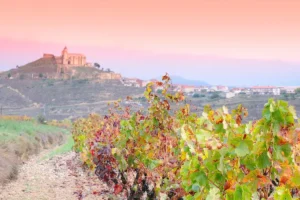
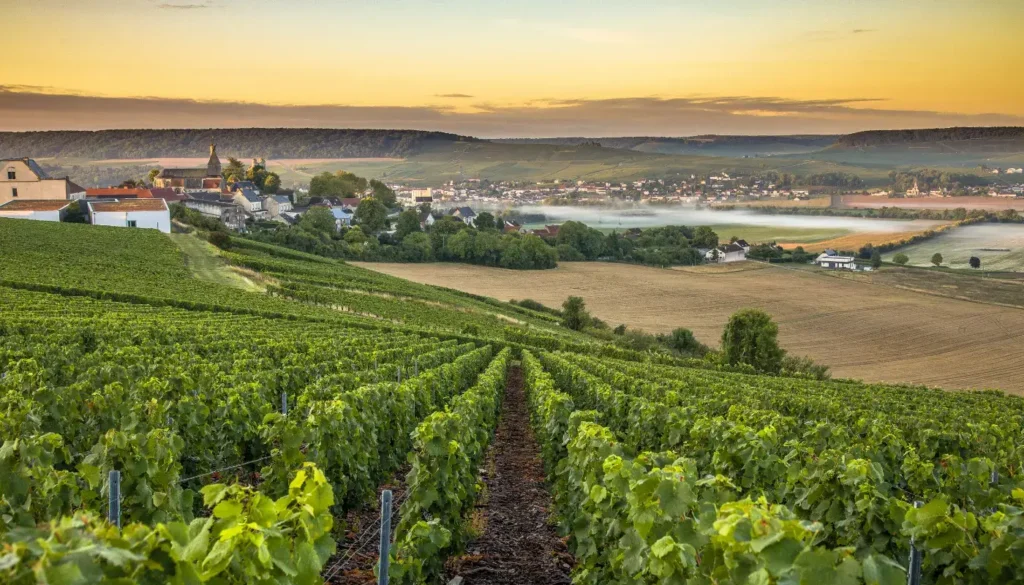
The Champagne region is one of the most northerly wine regions in France. Its cool climate and chalky soils give wines with high acidity, perfect for sparkling wine. It has four main areas.
Montagne de Reims
South of Reims, the Montagne de Reims is known for its Pinot Noir, which gives structure and depth to many blends.
Vallée de la Marne
Along the Marne river, west of Épernay, the Vallée de la Marne is the home of Meunier, which brings fruit and roundness.
Côte des Blancs
South of Épernay, the Côte des Blancs is planted almost entirely with Chardonnay, and makes some of the finest Blanc de Blancs.
Côte des Bar
Further south, in the Aube, the Côte des Bar is mostly planted with Pinot Noir, and makes rich, fruity Champagnes.
What’s the difference between Champagne houses and grower Champagne?
Most Champagne is made by large houses, which buy grapes from many growers and blend them into a consistent style. On the label, you’ll see the letters NM, for négociant-manipulant.
Grower Champagne is made by winemakers who grow their own grapes and make the wine themselves. It’s labelled RM, for récoltant-manipulant. These Champagnes often show more of the character of their village and vineyard, and can be great value.
What food goes with Champagne?
Champagne’s high acidity, bubbles and toasty notes make it one of the most food-friendly wines.
Oysters and seafood
A Brut or a Blanc de Blancs is a classic match for oysters, scallops and prawns, as its crisp acidity works like a squeeze of lemon. It’s one of the great choices of wine with fish and seafood.
Smoked salmon and blinis
Smoked salmon on blinis is a favourite starter for Christmas dinner, and the bubbles of a Champagne lift its richness and smokiness.
Fried food and crisps
Salty, crispy food is a surprisingly good match for Champagne, from crisps to fried chicken or tempura. The bubbles and acidity cut through the fat, which makes it a great choice for New Year’s Eve party food.
Cheese
Champagne loves soft, creamy cheeses like Brie and Chaource, a local cheese from Champagne. Aged Comté and Parmesan suit a vintage Champagne, as their nutty notes echo its toasty character, one of the rules of wine and cheese pairing.
Desserts
Brut Champagne tastes sour with sweet desserts, so choose a Demi-Sec instead. It’s lovely with fruit tarts, macarons or a light sponge cake, while rosé Champagne is perfect with strawberries.
How should you serve Champagne?
Serve Champagne well chilled, at 6-10°C, the ideal serving temperature for sparkling wine. A vintage Champagne can be served at the warmer end of the range, so its aromas open up.
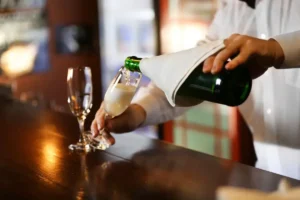
A tulip glass is the best choice, as it keeps the bubbles lively while letting the aromas develop, one of the simple rules for choosing types of wine glasses. Open the bottle gently, with a sigh rather than a pop, following the steps for how to open Champagne safely.
Once opened, a bottle keeps its bubbles for 1 to 3 days in the fridge with a proper sparkling wine stopper.
FAQ
Is Champagne always French?
Yes. Only sparkling wine from the Champagne region can be called Champagne. Similar wines made elsewhere use other names, like Crémant, Cava or English sparkling wine.
Is Extra Dry Champagne sweeter than Brut?
Yes, it’s one of the most confusing wine labels. Extra Dry has 12-17 g of sugar per litre, while Brut has less than 12 g.
Can you age Champagne?
Most non-vintage Champagne is ready to drink when it’s released, and is best within a few years. Vintage Champagne and prestige cuvées can age for 10 years or more, developing rich, nutty and honeyed notes.
What’s the difference between Champagne and Prosecco?
Champagne is made by the traditional method, with a second fermentation in the bottle, which gives it fine bubbles and toasty notes. Prosecco is made in large tanks, which keeps it light, fruity and more affordable.
What’s the difference between Champagne and Crémant?
Crémant is made by the same traditional method, but in other French regions, like Alsace, the Loire or Burgundy. It’s usually lighter and much more affordable, which makes it a great alternative.