Not so long ago, the idea of world-class English wine raised a few eyebrows. Today, English sparkling wine wins international awards, appears on the best wine lists and is a proud choice for any celebration. Here’s everything you need to know: how it’s made, what it tastes like, where it comes from and which bottles to try.
What is English sparkling wine?
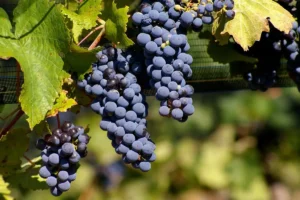
English sparkling wine is a sparkling wine made from grapes grown in England. Most of it is made with the same grapes as Champagne, Chardonnay, Pinot Noir and Pinot Meunier, and with the same traditional method.
The modern industry is young. In 1988, Nyetimber, in West Sussex, became the first estate in England to plant only Champagne grapes to make sparkling wine. Since then, hundreds of vineyards have been planted across the south of England, and sparkling wine has become the country’s signature style.
English wine or British wine?
Don’t confuse the two. English wine is made from grapes grown in England, while “British wine” is made in the UK from imported grape concentrate. British wine is usually cheap and sweet, and has nothing to do with English sparkling wine.
How is English sparkling wine made?
Most English sparkling wine is made with the traditional method, the same technique used in Champagne. The winemaker first makes a still base wine, then adds a little sugar and yeast before bottling. This starts a second fermentation inside the bottle, which creates the bubbles.
The wine then ages on its lees, the dead yeast cells, often for several years, which gives it toasty, bready notes. Finally, the yeast is removed and a small dose of sugar, the dosage, decides how dry the wine will be. Find out more in our guide to how sparkling wine is made.
What does English sparkling wine taste like?
Aromas
English sparkling wine is known for its fresh, vibrant style. Here are the flavours you’re most likely to find:
- Fruit: green apple, pear, lemon and, in rosé, red berries
- Floral: white flowers and elderflower
- From ageing: brioche, toast, biscuit and almonds
Styles
You’ll find several styles on the shelves:
- Classic cuvée: usually a blend of Chardonnay, Pinot Noir and Pinot Meunier, and often non-vintage, made from several years
- Blanc de Blancs: made only from Chardonnay, with lemony freshness and finesse
- Blanc de Noirs: a white wine made from black grapes, rounder and fruitier
- Rosé: with fresh strawberry and raspberry notes
- Vintage: made from a single year, and often aged longer for more depth
Where is English sparkling wine made?
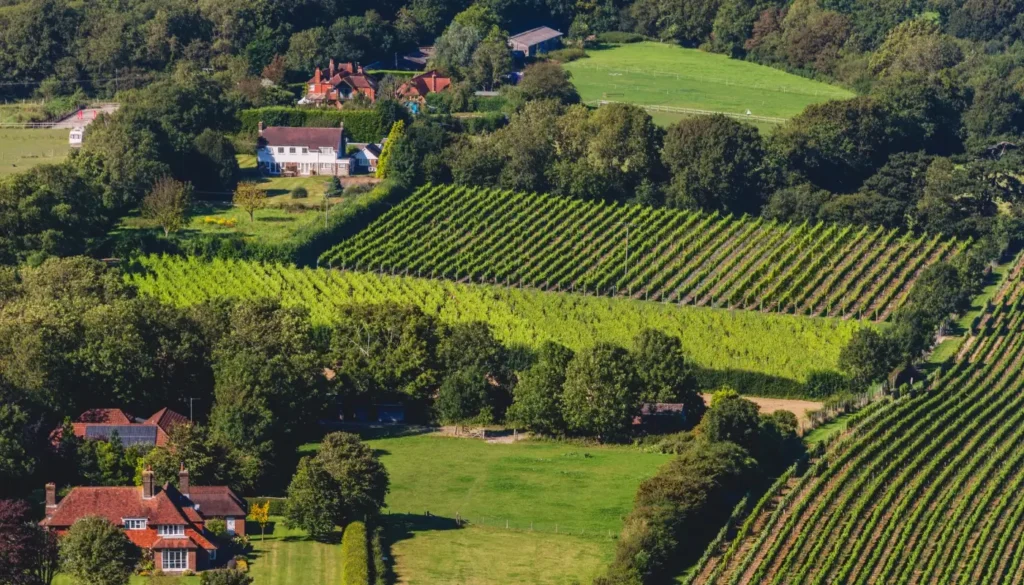
Most English vineyards are in the south of England, where the climate is warmest and driest.
Sussex
Sussex is home to some of England’s best-known estates, on the slopes of the South Downs. In 2022, Sussex became the first English wine region to gain protected designation of origin (PDO) status, like Champagne or Prosecco.
Kent
Kent, the “Garden of England”, has a mild climate and a long tradition of growing fruit. It’s now one of the largest wine-producing counties in England.
Hampshire
Hampshire’s chalky hills and river valleys produce elegant, crisp sparkling wines.
Other regions
You’ll also find excellent sparkling wines from Surrey, Essex, Dorset and Cornwall, and from Wales, which makes its own Welsh sparkling wine.
Which English sparkling wine producers should you try?
Well-known names
These estates have helped put English sparkling wine on the map:
- Nyetimber (West Sussex): the pioneer, known for its Classic Cuvée and Blanc de Blancs
- Ridgeview (East Sussex): a family estate making a wide range of styles
- Chapel Down (Kent): one of the largest and most widely available producers
- Gusbourne (Kent): known for its elegant vintage wines
- Hambledon (Hampshire): one of England’s oldest vineyards
Smaller independent producers
For something more unusual, look out for these smaller estates:
- Breaky Bottom (Sussex): a tiny, much-loved family vineyard tucked into the South Downs
- Langham Wine Estate (Dorset): known for its low-intervention sparkling wines
- Danbury Ridge (Essex): a younger estate that has quickly earned a strong reputation
- Camel Valley (Cornwall): a family-run pioneer of Cornish sparkling wine
- Ancre Hill (Wales): a biodynamic estate in Monmouthshire
Looking for a present? English sparkling wine makes a great gift. See our wine gift ideas for more inspiration.
Why is England so good for sparkling wine?
England’s cool climate is ideal for sparkling wine. The grapes ripen slowly and keep plenty of acidity, the freshness that every great sparkling wine needs. Warmer summers over the last few decades have also helped the grapes ripen more reliably.
Parts of southern England also share the same chalk as Champagne, which drains well and is said to give finesse to the wines. But not every vineyard is on chalk: many grow on clay, sand or greensand, and still make excellent wines.
How does English sparkling wine compare to Champagne?
English sparkling wine and Champagne are made with the same grapes and method, so they can be very similar. English wines often have a little more acidity and a fresher, crisper style, with green apple and citrus notes. Champagne, with its longer history and larger houses, often shows more toasty, biscuity flavours from longer ageing.
Prices are also similar, as English producers are smaller and the wines take years to make. Want to compare it with other bubbles? See our guide to Champagne vs Prosecco.
What food goes with English sparkling wine?
With its fresh acidity, English sparkling wine is a brilliant food wine.
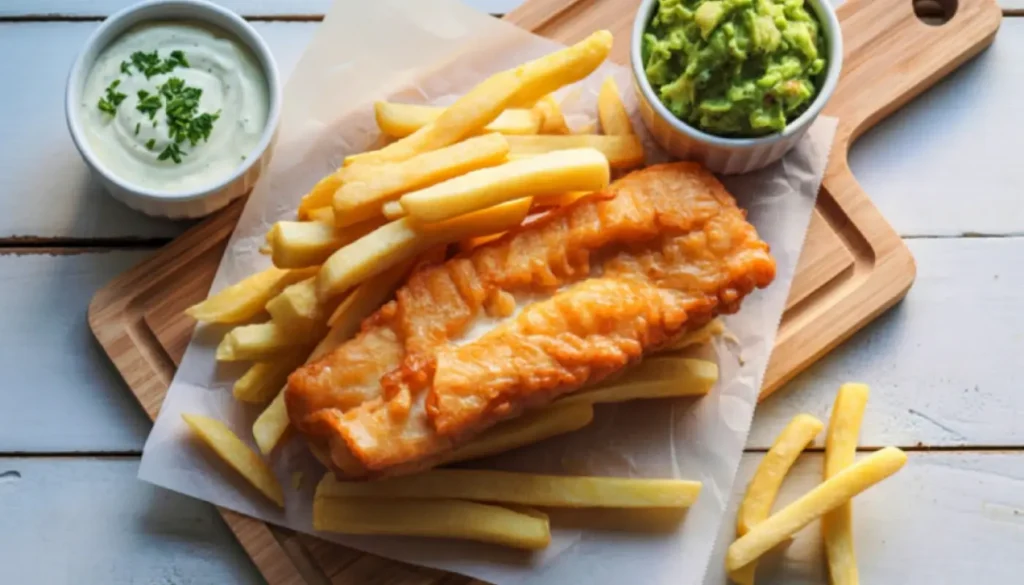
Fish and chips
The bubbles and acidity cut through the crispy batter of fish and chips perfectly, making it a classic British match. Find more ideas in our guide to wine with fish.
Oysters and smoked salmon
A crisp Blanc de Blancs is lovely with oysters or smoked salmon blinis, as its lemony freshness echoes the seafood.
Afternoon tea
Turn afternoon tea into a celebration with a glass of English sparkling wine. It works with finger sandwiches and freshly baked scones with jam and clotted cream.
Strawberries and cream
An English sparkling rosé is perfect with strawberries and cream or an Eton mess, a summery match made in England. It’s also delicious with soft cheeses like Brie: see our guide to wine and cheese pairing.
How should you serve English sparkling wine?
Serve English sparkling wine well chilled, at around 6–10°C, to keep it fresh and lively. Our wine serving temperature guide has the ideal temperature for every style.
Pour it into a tulip-shaped glass rather than a flute, so the aromas can open up. Find out why in our guide to types of wine glasses.
FAQ
Is English sparkling wine as good as Champagne?
The best English sparkling wines can be just as good, and some have even beaten famous Champagnes in blind tastings. Like Champagne, quality varies from one producer to another.
Why is English sparkling wine expensive?
Most English estates are still young, so they’re paying off the cost of planting vineyards and buying winemaking equipment, on top of the slow, costly traditional method. They’re also small, with high costs for land and labour, so prices are usually similar to non-vintage Champagne.
Can you age English sparkling wine?
Most non-vintage English sparkling wine is ready to drink when you buy it. Vintage wines and Blanc de Blancs can age well for several years, developing richer, toastier flavours.
Is there an English Prosecco?
No, Prosecco can only come from north-east Italy. But some English producers, like Flint Vineyard, use the same Charmat, or tank, method for a lighter, fruitier style: the second fermentation happens in a large tank rather than in each bottle.