Rich, smooth and full of dark fruit, Malbec has become one of the world’s favourite red wines. It’s the signature grape of Argentina, but its story begins in south-west France, where it still makes the dark, powerful wines of Cahors. Here’s everything you need to know about Malbec: how it tastes, where it grows and what to eat with it.
What is Malbec?
Malbec is a black grape variety that originally comes from south-west France. It was once widely planted in Bordeaux, where it is still one of the six red grapes allowed in the blend, alongside Cabernet Sauvignon and Merlot. But it’s a tricky grape to grow, and after the severe frost of 1956, many Bordeaux growers replaced it with other varieties.
Its true French home is Cahors, where the wines were so dark that they were nicknamed the “black wine”. Today, red Cahors must contain at least 70% Malbec.
Malbec found a second home in Argentina. In 1853, the French agronomist Michel Aimé Pouget was hired to run a new agricultural school in Mendoza, and French vine cuttings, including Malbec, soon followed, most likely over the Andes from Chile. The grape thrived in the sunny, high-altitude vineyards, and Argentina now grows most of the world’s Malbec. Every year, on 17 April, Malbec World Day celebrates the anniversary of that school.
Other names for Malbec
In Cahors, Malbec is also called Auxerrois, and in the Loire Valley and other parts of France, it’s known as Côt. Don’t confuse it with the Auxerrois white grape grown in Alsace, which is a different variety.
What does Malbec taste like?
Aromas
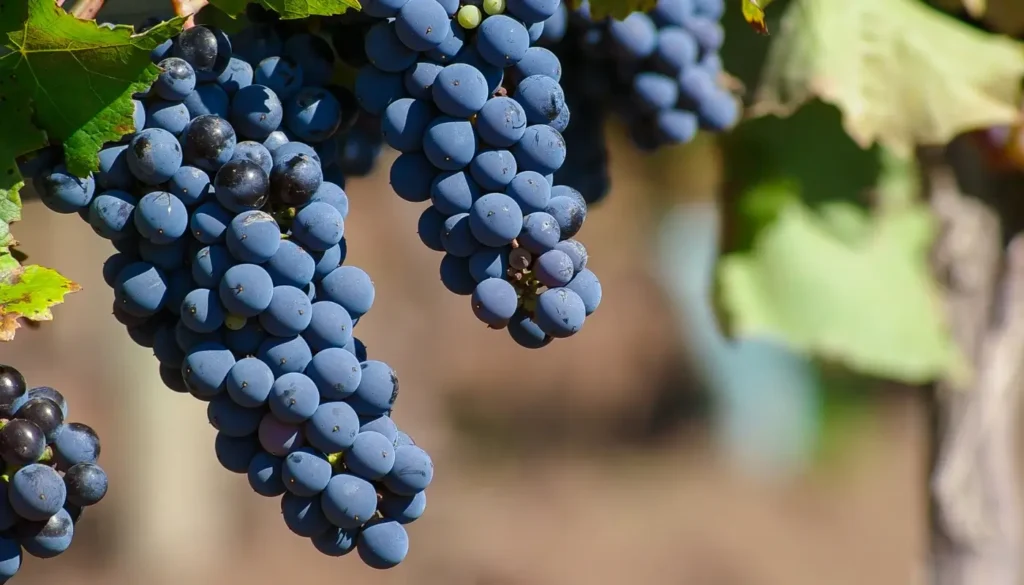
Malbec is all about dark fruit. Here are the flavours you’re most likely to find:
- Fruit: plum, blackberry, black cherry and blueberry
- Floral: violet
- Oak: vanilla, cocoa, chocolate and a touch of smoke
- Spice and earth: black pepper, tobacco and leather, especially in older wines
Body, tannins and acidity
Malbec is usually a full-bodied red with a deep purple colour. Its tannins, the compounds that give red wine its dry, grippy feel, are firm but usually softer and rounder than those of Cabernet Sauvignon. Its acidity is medium, which gives it a smooth, juicy feel. Find out where tannins and colour come from in our guide to how red wine is made.
Argentine vs French Malbec
Argentine Malbec is ripe and generous, with plush plum and blackberry fruit, soft tannins and often a touch of vanilla from oak. It’s easy to enjoy young.
French Malbec from Cahors is more structured and savoury, with firmer tannins, fresher acidity and earthy, sometimes rustic notes. The best wines can age for many years.
Is Malbec sweet or dry?
Malbec is almost always a dry wine. Its ripe fruit can give an impression of sweetness, especially in Argentine styles, but there is very little sugar left in the wine. You’ll also find a few Malbec rosés and sparkling wines, which are usually dry too.
Where is Malbec grown?
Argentina
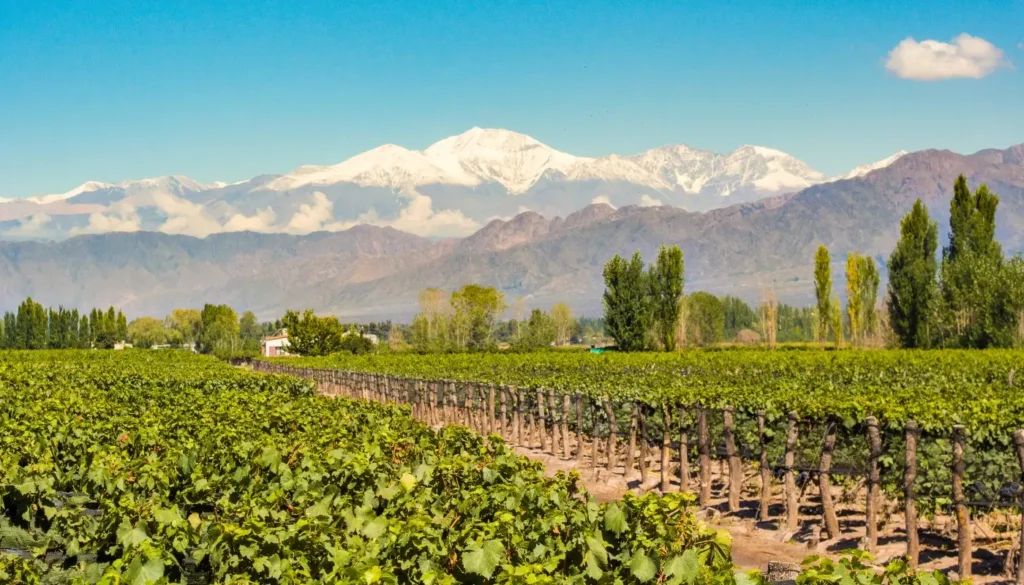
Mendoza, at the foot of the Andes, is the heart of Argentine Malbec. Its sunny, dry climate and cool nights give ripe fruit with fresh acidity. Look out for wines from Luján de Cuyo, a classic area for rich, intense Malbec, and the Uco Valley, whose higher vineyards give fresher, more floral wines. Further north, Salta has some of the highest vineyards in the world, producing deep-coloured, powerful Malbec.
France
Cahors, in south-west France, makes Malbec’s most traditional style: dark, firm and savoury. Malbec is also used in small amounts in Bordeaux blends and, as Côt, in some red wines from the Loire Valley, particularly in Touraine.
Other regions
Malbec is also grown in Chile, where it’s often juicy and fruity, and in the United States, in California and Washington State. You’ll find smaller amounts in Australia, New Zealand and South Africa, often as part of a blend.
What food goes with Malbec?
With its dark fruit and soft tannins, Malbec is a brilliant food wine, especially with grilled and barbecued meat.
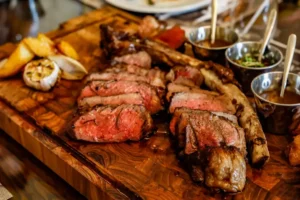
Steak and grilled meat
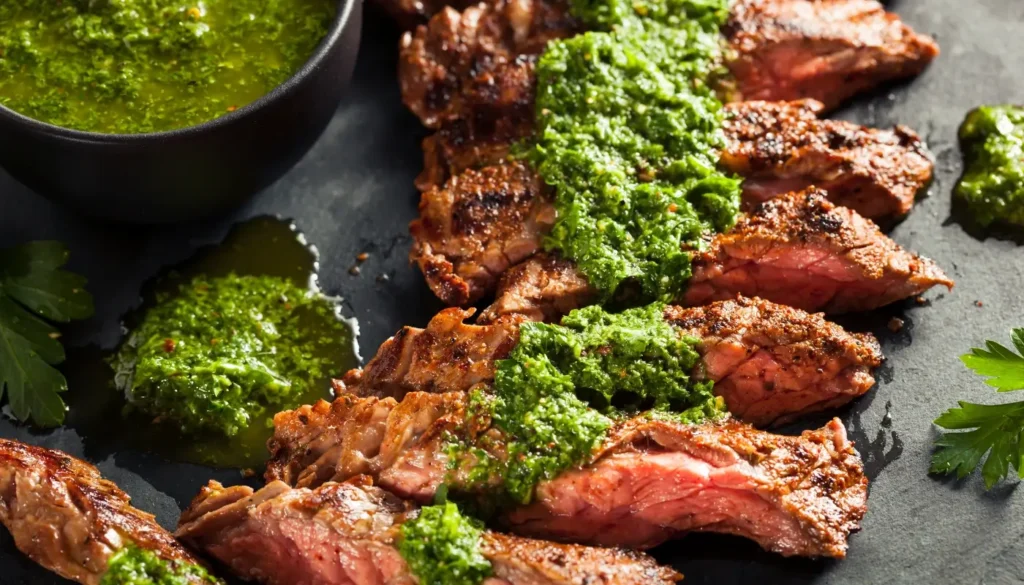
In Argentina, Malbec is the classic match for an asado, a traditional barbecue of grilled beef. Serve it with a juicy steak and a fresh chimichurri, the Argentine herb sauce whose sharpness balances the wine’s ripe fruit. For more ideas, see our guide to wine with steak.
Burgers and barbecue
A homemade beef burger, barbecue ribs or pulled pork all love a fruity Argentine Malbec, which stands up to smoky, charred flavours. Find more casual pairings in our guide to wine with comfort food.
Lamb
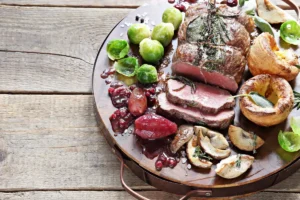
Grilled lamb chops with rosemary and garlic are a great match, as is a slow-roasted shoulder. A more structured Cahors works beautifully with richer lamb dishes. Find our full recommendations in our guide to wine with lamb.
Mexican food and empanadas
Malbec’s soft tannins make it a good choice with mildly spiced food, like a chilli con carne, beef tacos or fajitas. It’s also perfect with Argentine beef empanadas. Discover more ideas in our guide to wine with Mexican food.
Cheese
Malbec pairs well with firm, flavourful cheeses like mature Cheddar, Manchego, Gouda and Comté. Avoid very soft or delicate cheeses, which it can overpower. See our guide to wine and cheese pairing for more matches.
Vegetarian dishes
Earthy, savoury dishes are the best vegetarian matches for Malbec. Try it with a mushroom risotto, roasted root vegetables or a bean chilli.
How does Malbec compare to Merlot and Cabernet Sauvignon?
All three are Bordeaux grapes, but they each have their own style:
- Malbec: full-bodied, with plum and blackberry fruit, violet notes and soft, plush tannins
- Merlot: medium- to full-bodied, with softer plum and red cherry fruit and the gentlest tannins of the three
- Cabernet Sauvignon: full-bodied, with blackcurrant and cedar notes, firm tannins and higher acidity
If you like Merlot but want something bolder, or Cabernet Sauvignon but softer, Malbec is a great choice.
How should you serve Malbec?
Serve Malbec at around 16–18°C, slightly cooler than room temperature, to keep its fruit fresh. On a warm day, 15 minutes in the fridge before opening is enough. Check our wine serving temperature guide for every style.
Most Argentine Malbec is ready to drink and doesn’t need decanting, but a young Cahors benefits from an hour in a decanter to soften its tannins. Learn how in our guide on how to serve wine.
FAQ
Is Malbec good for beginners?
Yes, Argentine Malbec is a great red for beginners. It’s fruity, smooth and easy to enjoy, without the firm tannins of some other full-bodied reds.
Should you chill Malbec?
Not fully, but it tastes best slightly cool, at around 16–18°C. A warm, room-temperature Malbec can taste heavy and alcoholic.
How long does Malbec last once opened?
Like most full-bodied reds, an opened bottle of Malbec keeps for a few days with the cork back in. Find out more in our guide on how long wine lasts once opened.
Is Malbec a Bordeaux grape?
Yes, Malbec is one of the six red grapes allowed in Bordeaux, but it’s rarely used there today. Its main French home is Cahors, and its most famous wines come from Argentina.