Rioja is Spain’s most famous wine, and one of the easiest to fall in love with. Smooth, fruity and often aged in oak, it has notes of cherry, vanilla and spice that make it a favourite with roast lamb and tapas alike. Here’s everything you need to know about Rioja wine, from what Crianza and Reserva mean on the label to how it tastes and what to eat with it.
What is Rioja wine?
Rioja is a wine region in northern Spain, along the Ebro river. It stretches across three regions: La Rioja, the Basque province of Álava and a small part of Navarra.
In 1991, Rioja became the first Spanish region to earn DOCa status (Denominación de Origen Calificada), the highest level of Spain’s wine classification. It means the wines follow stricter rules on grapes, yields and ageing than most Spanish wines.
Most Rioja is red, but the region also makes white and rosé wines, and since 2019, traditional-method sparkling wines.
What grapes are used in Rioja?
Red grapes
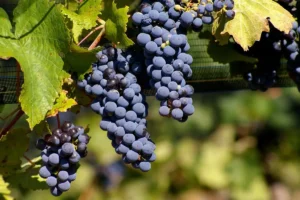
Most red Rioja is a blend, led by Tempranillo:
- Tempranillo: the star grape, with red cherry, strawberry and plum flavours and medium tannins
- Garnacha: adds ripe fruit, body and warmth
- Graciano: brings freshness, colour and aromas, and helps the wine age
- Mazuelo (Carignan): adds colour and acidity
White grapes
White Rioja is mostly made from Viura, also known as Macabeo, often with Malvasía and Garnacha Blanca. Since 2017, producers can also make single-variety whites from other permitted grapes, such as Tempranillo Blanco, Verdejo or Chardonnay.
What do Crianza, Reserva and Gran Reserva mean?
The words on a Rioja label tell you how long the wine was aged before it was sold. Longer ageing, in oak barrels and then in bottle, gives softer, more complex wines. Here are the minimum ageing times for red Rioja:
Genérico
These are young wines with little or no oak ageing, sold fresh and fruity. You might still see the old term “Joven”, meaning young, on some labels.
Crianza
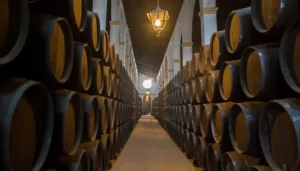
Aged for at least two years, including at least one year in oak barrels. Crianza is the everyday Rioja: fruity, smooth and great value.
Reserva
Aged for at least three years, including at least one year in oak and six months in bottle. Reservas are usually made from better grapes and have more depth.
Gran Reserva
Aged for at least five years, including at least two years in oak and two years in bottle. Gran Reservas are usually only made in the best years, and can keep for decades.
White and rosé Rioja can also be labelled Crianza, Reserva or Gran Reserva, with shorter ageing periods. Other Spanish regions use the same terms, sometimes with their own rules for Reserva and Gran Reserva.
What does Rioja taste like?
Young Rioja
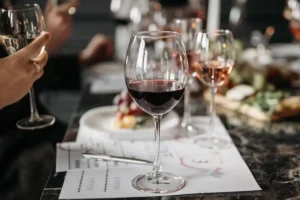
A young red Rioja is fresh and juicy, with flavours of red cherry, strawberry and plum. It’s light enough to drink slightly chilled on a summer evening.
Oak-aged Rioja
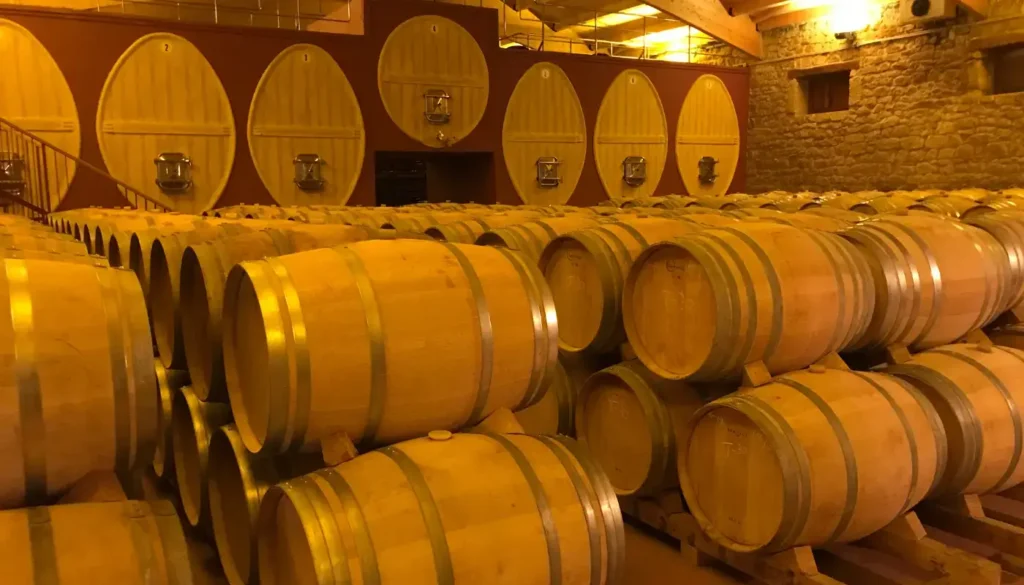
Oak ageing is what gives Rioja its signature style. Many producers traditionally use American oak, which adds sweet notes of vanilla, coconut and dill. Others now use French oak, which is more subtle and spicy.
With time, the fruit becomes softer and drier, and new aromas appear:
- Crianza: ripe cherry, vanilla, a touch of spice
- Reserva: plum, dried cherry, vanilla, cedar
- Gran Reserva: dried fig, leather, tobacco, coconut, a silky texture
White and rosé Rioja
Young white Rioja is crisp and fresh, with citrus, green apple and floral notes. Oak-aged whites are richer and nuttier, with honey and toasty aromas. Rioja rosado, the local rosé, is usually dry and fruity, with strawberry and red berry flavours.
Where is Rioja made?
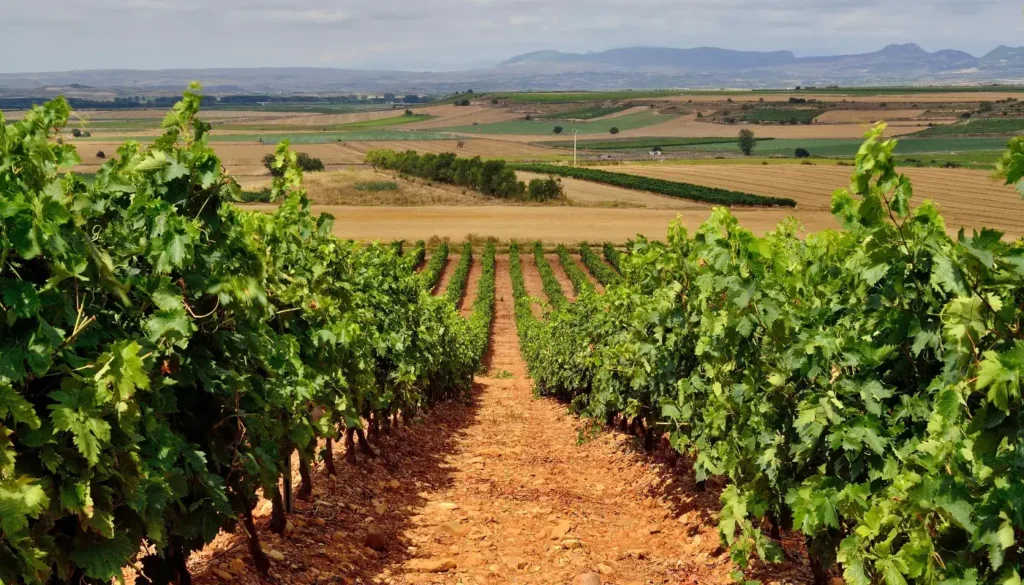
Rioja is divided into three zones, each with its own climate and style.
Rioja Alta
In the west, Rioja Alta is higher and cooler, with an Atlantic influence. Its wines are elegant and fresh, with good acidity, and age beautifully. The town of Haro, home to many historic wineries, is at its heart.
Rioja Alavesa
North of the Ebro, in the Basque Country, Rioja Alavesa has chalky clay soils and a cool climate. Its wines are known for their finesse and bright fruit.
Rioja Oriental
In the east, Rioja Oriental, called Rioja Baja until 2017, is warmer and drier, with a Mediterranean climate. Garnacha thrives here, giving riper, fuller wines.
Most Rioja is a blend of grapes from several zones, but some labels now name a single zone, village or vineyard. The top single-vineyard wines are labelled Viñedo Singular.
What food goes with Rioja?
Lamb
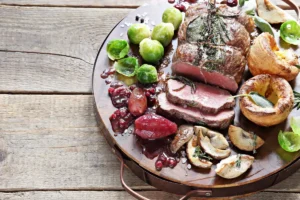
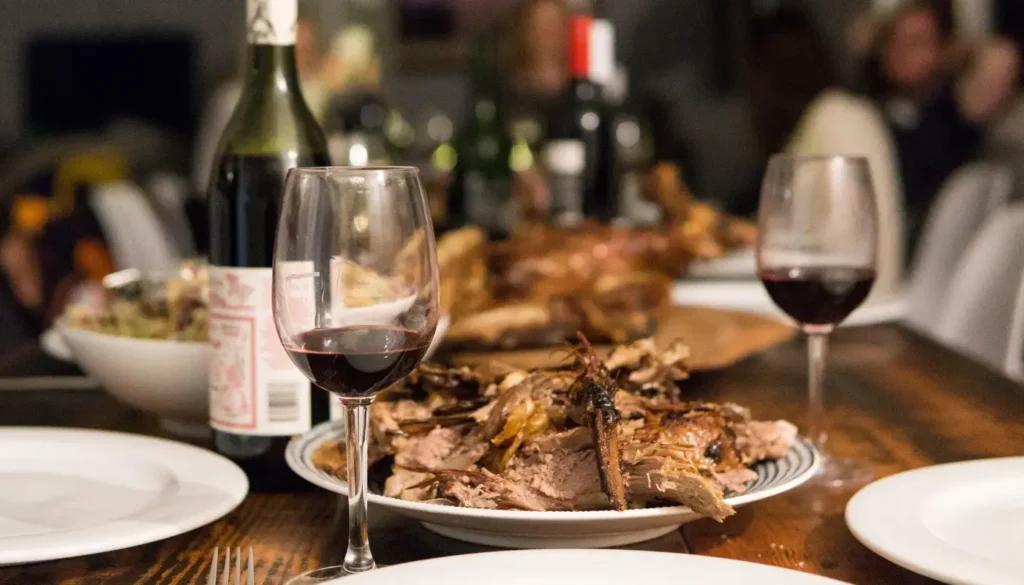
Rioja and lamb is a classic Spanish pairing. A Reserva is perfect with a roast leg of lamb with garlic and rosemary, as its savoury, oaky notes echo the herbs. It’s a reliable choice of wine with lamb, from chops to slow-cooked shoulder.
Steak and roasts
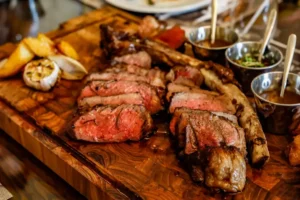
A Crianza or a Reserva suits grilled steak and roast beef, as its soft tannins won’t overpower the meat. It’s also lovely with a Sunday roast, and an easy, fruity alternative to Bordeaux as a wine with steak.
Tapas and chorizo
A young Rioja or a Crianza is perfect with tapas: chorizo, jamón, patatas bravas and grilled vegetables. Its juicy fruit stands up to paprika and smoky flavours. For a full Spanish spread, start with a chilled Fino Sherry and move on to Rioja.
Stews and casseroles
Older Riojas love slow-cooked dishes, from lamb stew to beef in red wine. A Reserva or a Gran Reserva brings dried fruit and spice that match rich stews and casseroles.
Cheese
Manchego, Spain’s famous sheep’s cheese, is a natural match for red Rioja. Aged Manchego, with its nutty, salty flavour, is lovely with a Reserva.
Fish and white Rioja
An oak-aged white Rioja has enough richness for meaty fish like halibut or monkfish in a creamy sauce, one of our favourite pairings for wine with fish. A young, crisp white Rioja suits grilled fish and seafood.
How should you serve Rioja?
Serve red Rioja slightly below room temperature, at around 15–18°C, and young Rioja a little cooler. White and rosé Rioja are best chilled, at around 7–10°C, or a little warmer for oak-aged whites.
Most Crianzas and Reservas don’t need decanting, but an older Gran Reserva may have a sediment. Stand the bottle upright for a few hours, then pour it slowly into a decanter.
FAQ
Is Rioja the same as Tempranillo?
Not quite. Rioja is a region, and Tempranillo is its main grape, but most red Riojas are blends that also include Garnacha, Graciano or Mazuelo.
Is Rioja sweet or dry?
Red Rioja is dry. Its ripe fruit and the vanilla notes from oak can make it taste slightly sweet, but it has very little sugar.
How long can you keep Rioja?
Most Crianzas are best within a few years of the vintage. Reservas can age for ten years or more, and Gran Reservas from good vintages for several decades.
Is Reserva better than Crianza?
Not necessarily, as it depends on your taste. Crianza is fresher and fruitier, while Reserva is more complex and oaky, so choose Crianza for everyday drinking and Reserva for a special meal.