When it comes to pasta, the sauce does most of the talking, and it should guide your wine choice. A light, garlicky spaghetti needs a very different bottle from a rich lasagna or a creamy carbonara. Here’s a straightforward guide to pairing wine with every style of pasta, from pesto and Alfredo to Bolognese and seafood linguine.
What wine goes with pasta?
Match the wine to the sauce rather than the pasta shape. Here are our top picks:
- Olive oil and pesto pasta: a Vermentino, a Soave Classico or a Prosecco Frizzante
- Creamy pasta: an unoaked Chardonnay or a Chenin Blanc
- Tomato pasta: a Chianti Classico or a Barbera d’Asti
- Meat pasta: a Sangiovese, a Barolo or an Amarone
- Seafood pasta: a Vermentino, an Albariño or a Chablis
- Vegetarian pasta: a Pinot Grigio, a Nero d’Avola or an oaked Chardonnay
What wine goes with olive oil and pesto pasta?
Olive oil-based pasta dishes are fresh, light and aromatic, so the best wine pairings are equally crisp and zesty.
Spaghetti aglio e olio
Aglio e olio is simply spaghetti with garlic, olive oil and chilli. Try a Verdicchio or a Soave Classico for their citrus and herbal notes, which echo the flavours of the dish without overpowering the garlic.
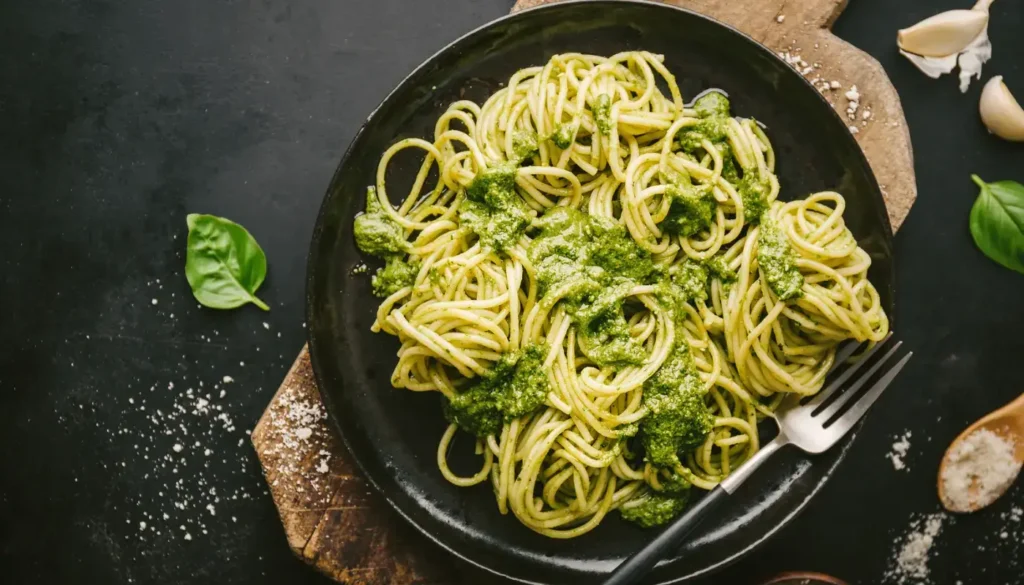
Pesto pasta
Pesto comes from Liguria, so a local Vermentino is a natural match, with its herbal, slightly salty character. A herby Sauvignon Blanc also picks up the basil. For a sparkling option, a Prosecco Frizzante adds a lively freshness and works especially well with pesto. Find out more about it in our guide to Champagne vs Prosecco.
Lemon and herb pasta
A lemon and herb spaghetti is bright and zesty, so it needs a wine with plenty of acidity. A Gavi, made from the Cortese grape in Piedmont, or a crisp Pinot Grigio keeps everything fresh.
What wine goes with creamy pasta?
Creamy pasta dishes are rich and indulgent, calling for wines with acidity to cut through the cream.
Carbonara
A carbonara, made with eggs, Pecorino and guanciale (cured pork cheek), is rich and salty. An unoaked Chardonnay is a reliable choice, offering freshness without heaviness. Carbonara comes from Rome, so a crisp Frascati from the hills nearby is a lovely local match. For something celebratory, Champagne or a quality sparkling wine also makes a great option.
Fettuccine Alfredo
The original Roman fettuccine Alfredo is just butter, Parmesan and pasta water, while the American version adds cream. Either way, it needs a white with fresh acidity, like a Chenin Blanc from the Loire, whose touch of fruit cuts through the richness of the sauce. A lightly oaked Chardonnay also matches its buttery texture.
Four-cheese pasta
Four-cheese pasta is even richer, often with a little blue cheese. A dry Pinot Gris from Alsace has the body to match, while a Soave Classico keeps things lighter.
Creamy mushroom pasta
A creamy mushroom pasta is earthy and savoury. An oaked Chardonnay suits the cream, or try a light Pinot Noir, whose earthy notes echo the mushrooms.

What wine goes with tomato pasta?
Tomato sauces have high acidity, so the wine needs to match it, or it will taste flat. Italian reds, which tend to have fresh acidity, are a perfect fit.
Marinara and pomodoro
A simple spaghetti al pomodoro or marinara sauce is all about the tomatoes. Chianti Classico is the classic partner, with bright red fruit and earthy notes that blend with tomatoes. Barbera d’Asti is another strong option, juicy and vibrant with low tannins that won’t clash.
Arrabbiata
Arrabbiata means “angry” in Italian, thanks to its chilli kick. Spice makes high alcohol and firm tannins taste harsher, so choose a fruity, soft red like a Montepulciano d’Abruzzo, which offers rich fruit and smooth tannins. A dry rosé is a refreshing alternative.
Puttanesca
Puttanesca is bold and salty, with olives, capers and anchovies. A southern Italian red like a Primitivo or a Nero d’Avola has the ripe fruit to balance the saltiness. If you’re also making pizza, see our guide to wine with pizza for more tomato-friendly ideas.
What wine goes with meat pasta?
Pasta dishes with meat pair best with structured, full-bodied wines that keep a high acidity to go with the tomato.
Spaghetti bolognese
Bolognese is a slow-cooked meat sauce from Bologna, in Emilia-Romagna. A Sangiovese, such as a Chianti Classico, has the acidity and savoury notes to match it. For a local touch, try a dry red Lambrusco, a lightly sparkling red from the same region.
Lasagna
Lasagna layers meat sauce, béchamel and cheese, so it can take a fuller red. A Montepulciano d’Abruzzo is a crowd-pleaser, while a Zinfandel brings bold, fruit-forward flavours that work beautifully with a meaty lasagna.
Slow-cooked ragù
A rich beef ragù with pappardelle is the moment to open something special. Barolo or Barbaresco (both made from Nebbiolo) bring firm tannins and savoury depth to stand up to slow-cooked meat sauces. Amarone della Valpolicella is a richer, more powerful choice, with raisiny fruit and spice.
Meatballs
Spaghetti and meatballs is an Italian-American favourite. A Chianti or a juicy Zinfandel from California both suit its herby, tomatoey sauce.

What wine goes with seafood pasta?
Delicate seafood pasta dishes need fresh, mineral-driven white wines.
Linguine alle vongole
For a linguine alle vongole, with clams, garlic and white wine, Vermentino pairs naturally thanks to its citrus and saline edge. Albariño brings lively acidity and stone fruit flavours, making it perfect for shellfish.
Prawn linguine and shrimp scampi
A garlic butter prawn linguine, known as shrimp scampi in the US, is rich but still delicate. A crisp Pinot Grigio or a Gavi cuts through the butter, while the lemony notes echo the dish.
Crab pasta
A crab tagliatelle is sweet and delicate. A crisp Chablis, a style of unoaked Chardonnay from Burgundy, brings mouth-watering minerality and lemony aromas. For more seafood ideas, see our guide to wine with fish.

What wine goes with vegetarian pasta?
Spinach and ricotta ravioli
Spinach and ricotta ravioli is mild and creamy, so keep the wine light and fresh. A Pinot Grigio, a Soave or a Verdicchio won’t overpower the delicate filling.
Butternut squash ravioli
Butternut squash ravioli with sage butter is sweet and nutty. A lightly oaked Chardonnay or a Viognier matches its richness and sweetness.
Pasta alla Norma
Pasta alla Norma is a Sicilian classic with aubergine, tomato and salted ricotta. Stay in Sicily with a Nero d’Avola, whose ripe cherry and plum flavours love the tomato and aubergine.
Red or white wine with pasta?
Both can work: it all depends on the sauce. As a rule, choose white wine for olive oil, cream and seafood sauces, and red wine for tomato and meat sauces. Another easy trick is to pick a wine from the same Italian region as the dish, like a Vermentino with Ligurian pesto or a Nero d’Avola with a Sicilian pasta alla Norma. Whatever you choose, look for fresh acidity, which keeps the wine lively next to rich sauces and tomatoes.
FAQ
What wine goes with spaghetti?
It depends on the sauce: a Chianti Classico with tomato or Bolognese, and a Vermentino or a Pinot Grigio with garlic, olive oil or seafood. For carbonara, try an unoaked Chardonnay.
What wine goes with mac and cheese?
A rich, creamy mac and cheese suits a Chardonnay or a dry sparkling wine, which cuts through the cheese. Find more ideas in our guide to wine with comfort food.
What wine should you use in a pasta sauce?
Use a dry white for seafood and creamy sauces, and a dry red for tomato and meat sauces. Choose a wine you’d happily drink, ideally the same one you’ll serve with the meal.
What’s a good budget wine for pasta night?
A Montepulciano d’Abruzzo, a Pinot Grigio or a Soave are all great value. They’re food-friendly, fresh and easy to find.