Pinot Gris is one of the most versatile white grapes in the world. As Pinot Grigio, it makes the light, crisp whites that fill Italian wine lists; as Pinot Gris, it makes rich, spicy and sometimes sweet wines in Alsace. Here’s everything you need to know: what it tastes like, where it grows, what to eat with it and how to choose the right style.
What is Pinot Gris?
Pinot Gris is a white wine grape that comes from a natural mutation of Pinot Noir. It is thought to have been born in Burgundy, but it is now mainly found in Alsace and in many other regions around the world, under different names: Pinot Grigio in Italy and Grauburgunder in Germany.
Is Pinot Gris red or white?
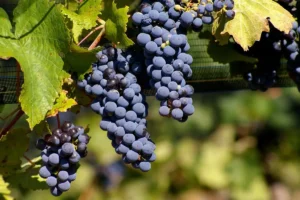
Pinot Gris makes white wine, but the grape itself isn’t green. Its name means “grey Pinot”, after its greyish-pink to purple skin. If the juice is left in contact with the skins, the wine can take on a copper or pink colour, as in the ramato wines of north-east Italy, which are close to orange wines.
Pinot Gris or Pinot Grigio: what’s the difference?
They’re the same grape, but the two names have come to describe two different styles:
- Pinot Grigio: the Italian style, light, crisp and refreshing, with citrus and green apple, picked early to keep its freshness
- Pinot Gris: the Alsace style, richer and rounder, with ripe pear, honey and spice, and sometimes a touch of sweetness
Producers around the world often use the name on the label to tell you which style to expect, so a Pinot Grigio from California is likely to be light and zesty, while a Pinot Gris from Oregon or New Zealand will usually be fuller.
What does Pinot Gris taste like?
Pinot Gris comes in a wide range of styles, depending on the ripeness of the grapes and the winemaking choices. You’ll find zesty, refreshing examples and rich, full-bodied ones, from bone dry to sweet, and even rosé or skin-contact wines.
The typical aromas are pear, apple and white peach. Lighter, crisper styles show more green apple, lemon zest and some minerality, while fuller or sweeter wines bring riper notes of melon and stone fruit, spice and hints of honey.
Pinot Gris flavour profile
- Body: light to full
- Acidity: medium
- Sweetness: dry to off-dry, with some medium-sweet and sweet wines in Alsace
- Fruit flavours: apple, pear, peach and melon
- Other notes: almond, honey and spice; richer and more textured in Alsace, lighter and crisper in Italy

What food goes with Pinot Gris?
Since Pinot Gris comes in so many styles, it’s a very versatile food wine. The trick is to match the weight of the wine to the dish.
Light, crisp Pinot Grigio
Crisp Pinot Grigio is perfect with seafood like oysters and prawns, grilled white fish and light salads. It’s also lovely with roasted vegetables and soft, mild cheeses like mozzarella, and it’s one of the easiest wines with fish to find.
Rich Pinot Gris
Fuller, rounder Pinot Gris is great with poultry like roast chicken, roast pork and creamy dishes such as a chicken pot pie, one of the many comfort foods it pairs with.
Alsace dishes
What grows together goes together. In Alsace, Pinot Gris is the classic match for tarte flambée, a thin flatbread topped with crème fraîche, onions and bacon, and for choucroute garnie, sauerkraut with sausages and pork. It’s just as good with other cheesy winter dishes, from raclette to tartiflette.
Off-dry and sweet Pinot Gris
Off-dry Pinot Gris is excellent with dishes with a bit of spice, especially Indian and Thai food: try it with a chicken tikka masala or a Thai green curry. Sweet Pinot Gris is delicious on its own or with fruity desserts, such as a lemon and blueberry cake or a peach and blueberry cobbler.
Ramato and rosé
Like most pale rosés, copper-coloured ramato and rosé Pinot Grigio are great on their own as an apéritif, but they also suit nibbles, salads, charcuterie and creamy pasta.
Where is Pinot Gris grown?
Pinot Gris grows in many wine regions and climates around the world. The key regions are Alsace in France, northern Italy, Germany and Oregon in the USA, and it is also popular in New Zealand.
Alsace, France
Alsace is famous for rich, full-bodied Pinot Gris. Its warm, dry days and cool nights help the grapes ripen slowly and develop intense flavours. Expect ripe apple, pear and tropical fruit, with a hint of minerality, and notes of smoke and spice as the wine ages. Pinot Gris is also one of the four main grapes of Alsace Grand Cru wines, alongside Riesling, Gewürztraminer and Muscat.
Alsace also makes exceptional sweet Pinot Gris: Vendanges Tardives, from late-harvested grapes, and Sélection de Grains Nobles, from grapes affected by noble rot. These wines offer a lovely balance between sweetness and freshness, with honey, jammy fruit and sweet spice.

Alsace, France
Italy
Pinot Gris is widely grown in northern Italy, where it is known as Pinot Grigio. Most Italian Pinot Grigio is light, crisp and refreshing, with notes of citrus and green apple. But two regions make more distinctive styles.
Alto Adige
Pinot Grigio from Alto Adige, in the mountains of north-east Italy, is richer, with ripe stone fruit, floral and spicy notes, and fresh acidity. Some wines are aged in barrels, which adds sweet spice and smoky notes, and can be kept for several years.
Friuli-Venezia Giulia
In the far north-east of Italy, Friuli is known for ramato, a copper-coloured, skin-contact Pinot Grigio. It is fuller-bodied, with ripe peach and apricot, floral notes and hints of spice.

Alto Adige, Italy
Germany
In Germany, Pinot Gris is known as Grauburgunder, or sometimes Ruländer for sweeter styles. It makes rich, full-bodied wines with fresh acidity, ripe pear and apple, hints of honey and a touch of minerality. You’ll find styles from dry to sweet, and oak-aged versions that can be similar to Chardonnay.
Pfalz
The Pfalz has a warm climate, giving ripe Grauburgunder with fresh acidity, some minerality and concentrated flavours of ripe peach and honey.
Baden
Baden is Germany’s warmest wine region, so expect full-bodied wines with ripe stone and tropical fruit, as well as some nuttiness and sweet spice.
Oregon, USA
Oregon’s cool climate is ideal for expressive, fruity Pinot Gris. Mainly grown in the Willamette Valley, it makes medium to full-bodied wines with zesty citrus, ripe apple and pear.
How should you serve Pinot Gris?
Serve light, crisp Pinot Grigio well chilled, at around 7–10°C, to keep it fresh. Richer Pinot Gris from Alsace or Oregon can be served a little warmer, at around 10–13°C, the ideal serving temperature for full-bodied whites, so its texture and aromas can open up.
Pinot Gris vs Riesling, Sauvignon Blanc and Albariño
If you like crisp white wines, these four are all great choices, with different personalities:
- Pinot Grigio is the most neutral and easy-going, with gentle pear and apple flavours
- Sauvignon Blanc is more herbaceous, with grassy, gooseberry and citrus notes
- Albariño is more aromatic, with stone fruit and a salty finish
- Riesling has higher acidity and more intense citrus and floral notes, and like Pinot Gris, it ranges from bone dry to sweet
FAQ
Is Pinot Gris sweet?
Most Pinot Gris and Pinot Grigio is dry. Some Alsace wines are off-dry or sweet, especially those labelled Vendanges Tardives or Sélection de Grains Nobles.
Is Pinot Gris the same as Pinot Blanc?
No, but they’re close relatives. Both come from mutations of Pinot Noir, but Pinot Blanc has green-gold skins and usually makes lighter, more delicate wines.
Can Pinot Gris age?
Most Pinot Grigio is best drunk young, within a year or two. Rich Alsace Pinot Gris, especially Grand Cru and sweet wines, can age well for many years.
Should you chill Pinot Gris?
Yes, at around 7-10°C for light styles and 10-13°C for richer ones. About 2 to 3 hours in the fridge is enough.