Forget the dusty bottle at the back of the cupboard. Sherry is one of the most exciting wines in the world, from bone-dry, salty Fino to rich, sticky Pedro Ximénez. Here’s everything you need to know about the different types of Sherry: how they’re made, what they taste like, what to eat with them and how to serve them.
What is Sherry?
Sherry is a fortified wine from the south of Spain, which means a grape spirit is added to the wine during production. It comes from a small area in Andalusia, around three towns known as the “Sherry triangle”: Jerez de la Frontera, Sanlúcar de Barrameda and El Puerto de Santa María. Its official appellation is Jerez-Xérès-Sherry, and only wines from this area can be called Sherry.
Most Sherry is made from Palomino, a white grape that gives a fairly neutral base wine, perfect for developing the flavours that come with ageing. The sweetest styles are made from Pedro Ximénez or Moscatel grapes, which are often left to dry in the sun before pressing to concentrate their sugars.
The best vineyards are planted on albariza, a bright white, chalky soil that holds water through the hot, dry summers.

How is Sherry made?
Most Sherry is fermented until dry, then fortified with grape spirit, like other dry fortified wines. What happens next decides its style:
- Under flor: lighter wines are aged under a layer of yeast called flor, which protects them from oxygen and gives them a fresh, salty, bready character
- With oxygen: richer wines are fortified to a higher strength, which stops the flor from growing, so they age in contact with air and develop nutty, dried fruit flavours
Sherry is then aged in a solera, a series of barrels where younger wines are gradually blended with older ones. Each bottle contains a blend of many years, which is why most Sherry has no vintage.
What are the different types of Sherry?
Fino
Fino is the palest and driest Sherry, aged entirely under flor. It’s crisp and light, with notes of almonds, green apple, bread dough and a salty finish. It’s usually around 15% alcohol.
Manzanilla
Manzanilla is a Fino-style Sherry from the seaside town of Sanlúcar de Barrameda. The cool, humid sea breeze helps the flor grow, giving an even lighter, fresher and saltier wine, with notes of chamomile and sea air.
Amontillado
Amontillado starts life as a Fino, under flor, then continues ageing with oxygen once the flor fades. The result is amber in colour, with flavours of hazelnut, toffee and dried herbs, but still dry.
Palo Cortado
Palo Cortado is a rarer style that starts like an Amontillado but develops the richness of an Oloroso. It combines the elegance of the first with the depth of the second, with notes of walnut, orange peel and spice.
Oloroso
Oloroso is aged entirely with oxygen, without flor. It’s dark, rich and full-bodied, with flavours of walnut, leather, dried fruit and spice. Despite its rich taste, a true Oloroso is dry.
Pedro Ximénez
Pedro Ximénez, or PX, is made from sun-dried Pedro Ximénez grapes. It’s almost black, thick and intensely sweet, with flavours of raisins, figs, dates, molasses and coffee.
Cream Sherry
Cream Sherry is a blend of a dry Sherry, usually Oloroso, with a sweet wine like PX. It’s smooth, sweet and nutty. Pale Cream is a lighter version, made from Fino sweetened with a little grape must.
Is Sherry sweet or dry?
Most Sherry is dry. Only a few styles are sweet, and the label usually tells you which. From driest to sweetest:
- Bone dry: Manzanilla and Fino
- Dry: Amontillado, Palo Cortado and Oloroso
- Medium: blends of dry and sweet Sherry
- Sweet: Pale Cream and Cream
- Very sweet: Moscatel and Pedro Ximénez, two of the richest dessert wines in the world
What food goes with Sherry?
Sherry is one of the most food-friendly wines there is. In Spain, it’s almost always served with something to eat.
Fino and Manzanilla
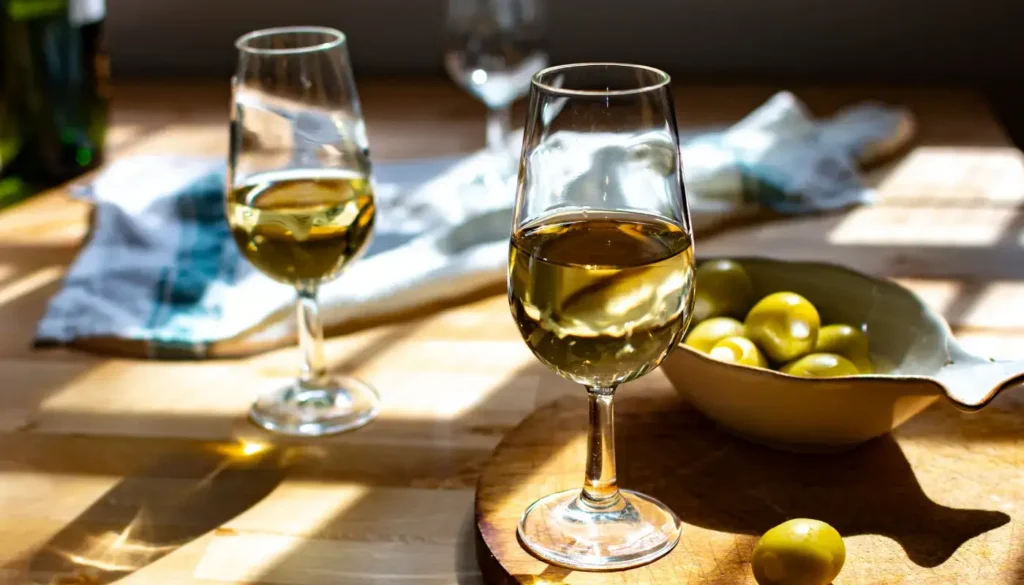
These crisp, salty Sherries are perfect with tapas: green olives, salted almonds, jamón and Manchego. They’re also excellent with seafood, from oysters and fried fish to gambas al ajillo, prawns cooked in garlic and olive oil. Try them with sushi too, or simply with a bowl of crisps.
Amontillado and Palo Cortado
Their nutty, savoury flavours suit mushroom dishes, roast chicken, consommé and clear soups. They’re also lovely with mature hard cheeses like aged Manchego, Comté or Parmesan.
Oloroso
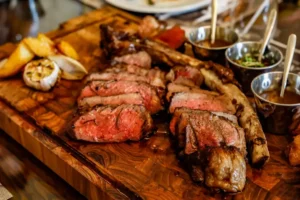
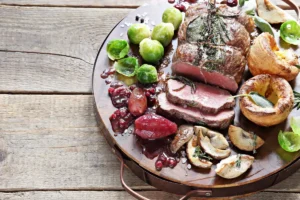
Rich, dry Oloroso stands up to red meat, game and slow-cooked stews like rabo de toro, the oxtail stew of Andalusia. It’s also a great match for strong cheeses and toasted nuts.
Pedro Ximénez and Cream Sherry
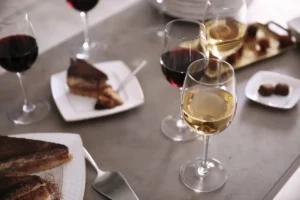
Sweet Sherries are made for dessert. PX is a classic match for Christmas pudding and mince pies, and it’s delicious poured over vanilla ice cream. It also pairs well with blue cheese like Stilton and with dark chocolate, while Cream Sherry is lovely with cakes, biscuits and nuts.
How should you serve Sherry?
Serve Fino and Manzanilla well chilled, at around 6–10°C, the same serving temperature as a crisp white wine. Amontillado, Palo Cortado and Oloroso are best lightly chilled, at around 10–16°C, and so are the sweet styles.
Pour Sherry into a small tulip-shaped glass called a copita, or a standard white wine glass, rather than a tiny schooner. A wider glass lets you enjoy its aromas.
Once opened, keep Fino and Manzanilla in the fridge and drink them within a few days, as they lose their freshness quickly. Amontillado and Oloroso keep for a few weeks, while PX and Cream can last even longer, as with most opened fortified wines.
Sherry vs Port: what’s the difference?
Sherry and Port are both fortified wines, but they’re very different:
- Where they’re from: Sherry comes from southern Spain, Port from the Douro Valley in northern Portugal
- Grapes: most Sherry is made from white grapes, while most Port is red
- Sweetness: most Sherry is fortified after fermentation, so it’s dry; Port is fortified during fermentation, which keeps it sweet
- Ageing: Sherry is aged in a solera, blending many years together, while Port is aged in barrel or bottle
FAQ
Is Sherry a wine?
Yes, Sherry is a wine made from grapes, fortified with grape spirit. That’s why it’s stronger than most wines, at around 15–22% alcohol.
Does Sherry go off once opened?
Yes, eventually. Fino and Manzanilla only keep for a few days in the fridge, while darker and sweeter styles can last for several weeks.
Can you cook with Sherry?
Absolutely. Dry Sherry adds depth to gravies, sauces and stews, and sweet Sherry is the traditional choice for a British trifle.
What’s the best Sherry for beginners?
A chilled Fino or Manzanilla with tapas is a great introduction. If you prefer something sweeter, start with a Cream Sherry or a PX with dessert.