Whether you’re sipping a supermarket bottle or a Grand Cru, learning how to taste wine helps you notice details you might otherwise miss. You’ll start to understand what you like (and why), making it easier to find wines that suit your taste.
Step 1. Look: Assess the Appearance
Before taking a sip, take a moment to look at the wine. Hold your glass against a white background if possible to see its true colour and clarity.
Colour
The colour tells you a lot about the wine’s age, grape variety, style, and even origin.
- White wines range from green-ish hue and pale lemon to rich golden. Darker whites often mean oak ageing or bottle age.
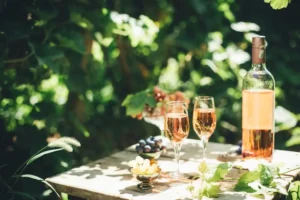
- Rosé wines can go from a very pale delicate blush pink-salmon to vibrant pink.
- Red wines shift from deep purple (young wines) to brick-red to brown as they age.
Clarity
The wine should look clear and bright – a cloudy or hazy appearance can signal a natural or unfiltered wine, or sometimes a fault.
Optional: Legs or tears
Swirl the wine and watch the droplets forming on the inside of the glass. These are known as the legs or tears of the wine, and they indicate alcohol or sugar content – thicker, slower-moving legs usually mean a richer or higher-alcohol wine.
A common myth is that the bigger the legs, the better the wine, but that’s not true – they’re simply a physical reaction to alcohol and evaporation, not a sign of quality.

Step 2. Smell: Identify the Aromas
Smelling is the most important part of wine tasting. Swirl your glass gently to release the aromas, then take a few short sniffs.
Try to identify just one or two things – don’t worry about getting it “right”, there’s no wrong answer when describing smells. Wine tasting is subjective and improves with practice.
Aromas fall into three main categories:
Primary aromas – mainly from the grape
Fruits
- Green fruit: Apple, gooseberry, grape, pear, pear drop, quince
- Citrus fruit: Grapefruit, lemon, lemon peel, lime, orange, orange peel
- Stone fruit: Apricot, nectarine, peach
- Tropical fruit: Banana, lychee, mango, melon, passion fruit, pineapple
- Red fruit: Cranberry, raspberry, red cherry, redcurrant, red plum, strawberry
- Black fruit: Blackberry, black cherry, blackcurrant, black plum, blueberry, bramble
- Dried fruit: Baked/stewed fruits, fig, jamminess, kirsch, preserved fruits, raisin, sultana
Floral
Acacia, blossom, chamomile, elderflower, geranium, honeysuckle, jasmine, lavender, rose, violet
Herbal
Dill, eucalyptus, fennel, medicinal, mint
Herbaceous
Asparagus, blackcurrant leaf, grass, green bell pepper, tomato leaf
Spice
Black or white pepper, ginger, juniper, liquorice
Other
Flint, rubber, wet stones, wet wool
Secondary aromas – from winemaking
Oak ageing
Butterscotch, cedar, charred wood, chocolate, cloves, coconut (American oak), coffee, nutmeg, resinous, toast, vanilla
Malolactic fermentation
Butter, cheese, cream, yoghurt
Yeast (Lees ageing, autolysis, flor)
Biscuit, bread, bread dough, brioche, cheese, pastry, toast, yoghurt
Tertiary aromas – from ageing
Fruit ageing (white)
Dried fruits (apple, apricot, banana…), marmalade
Fruit ageing (red)
Cooked fruits (blackberry, red plum), dried fruits (blackberry, cranberry…), fig, prune, tar
Deliberate oxidation
Almond, caramel, coconut, coffee, chocolate, hazelnut, marzipan, toffee, walnut
Bottle age (white)
Cereal, cinnamon, ginger, hay, honey, kerosene, mushroom, nutmeg, nutty, petrol, toast
Bottle age (red)
Cedar, earth, farmyard, forest floor, game, leather, meaty, mushroom, savoury, tobacco, vegetal, wet leaves

Step 3. Taste: Explore Flavour and Texture
Now comes the fun part – tasting! Take a small sip and let it coat your tongue before swallowing. Think about:
Sweetness
Is it dry, off-dry, or sweet? Try to assess only the sugar level – don’t confuse sweetness with fruity flavours, which is a common mistake.
Acidity
The refreshing tartness that makes your mouth water – high in wines like Sauvignon Blanc or Riesling.
Tip: Try the “dribble taste” – take a sip, swirl it in your mouth, and swallow or spit. Then, tilt your head forward with your mouth open; if you salivate and drool, it indicates the wine has high acidity, giving it a fresh, crisp quality.
Tannins
The mouth-drying, slightly bitter sensation you feel with reds, especially Cabernet Sauvignon or Syrah. Is the dryness only on a few teeth or is it coating your entire mouth?
Body
How heavy or light the wine feels in your mouth – similar to comparing skimmed milk to full cream. Does it feel watery in texture or rich and oily?
Flavours
Do the flavours match the aromas you noticed earlier? Go back to the aroma guide, compare aromas and flavours, and see how the wine develops on your palate.
Finish
How long do the flavours linger after swallowing? Is it disappearing instantly or is it lingering for a while? The longer the finish, the higher the quality tends to be.
Step 4. Evaluate and Reflect
Once you’ve looked, smelled, and tasted, it’s time to bring everything together. Evaluating wine doesn’t mean scoring it like a critic – it’s about understanding what you enjoy and recognising quality when you find it.
Balance
A well-balanced wine has its key elements – sweetness, acidity, tannin, alcohol, and flavour – in harmony.
- If one element sticks out (like too much alcohol or overwhelming acidity), the wine might feel unbalanced.
- A balanced wine feels smooth and cohesive, with nothing harsh or jarring.
Length
Think about how long the flavours last after you swallow.
- Short finish: flavours disappear quickly (common in simpler wines).
- Medium finish: flavours linger a few seconds.
- Long finish: the taste evolves and stays on your palate – a good sign of quality.
Intensity and Complexity
Does the wine have layers of flavour that develop over time?
- Simple wines might show just one or two clear notes, like “red cherry” or “lemon.”
- Complex wines reveal multiple aromas and flavours – perhaps fruit, spice, floral, and earthy notes that change as you taste.
Complexity often comes from careful winemaking or ageing, but it doesn’t mean simple wines can’t be enjoyable. Some of the most drinkable wines are delicious because they’re simple and honest.
Quality and Personal Preference
You can assess quality by asking yourself:
- Is the wine balanced?
- Do the flavours last?
- Is it complex or one-dimensional?
- Does it feel pleasant to drink?
But the most important question is: Do you like it?
Your personal preference matters more than any professional tasting note. Everyone’s palate is different, and the best way to refine yours is simply to taste widely and take notes.
Pro Tip: Keep a Wine Journal
Write down what you notice – even if it’s just a few words:
- Wine name, grape, region
- What you smelled and tasted
- What you liked or didn’t like
Over time, you’ll start to see patterns – maybe you prefer unoaked whites or soft, fruity reds. A wine journal helps you understand your own taste and makes choosing wine so much easier.

Practice Makes Perfect
Like any skill, tasting wine gets better and easier the more you do it.
Try tasting wines side by side – i.e. same grape but different regions, to spot differences and similarities. For example, a Chardonnay from Burgundy next to one from California.
One of the best ways to sharpen your palate is to compare wines side by side.
Try tasting the same grape from different regions or winemaking styles – for instance, a Chardonnay from Burgundy next to one from California, or a Pinot Noir from France beside one from New Zealand. Notice how climate, oak ageing, or even soil can completely change the wine’s personality.
Keep a tasting journal or use a wine app to jot down what you smell, taste, and feel. You don’t need to write an essay – just quick notes about aromas, flavours, and your overall impression.
Over time, you’ll start recognising patterns: maybe you love unoaked whites, or you lean towards bold reds with soft tannins. The more you pay attention, the easier it becomes to choose wines you’ll truly enjoy.
Bonus: Tips for Tasting Like a Pro
A few small details can make a big difference when tasting wine. Here are some professional tricks to get the most from every glass:
1. Avoid strong scents
Skip perfume, aftershave, or scented candles when tasting. Strong smells can overwhelm your senses and make it harder to pick up subtle aromas in the wine.
2. Serve wine at the right temperature
Temperature affects both aroma and flavour. Too cold and the wine tastes muted; too warm and alcohol dominates.
See our Wine Serving Temperatures Guide for the ideal range for each style.
3. Use clean, proper glassware
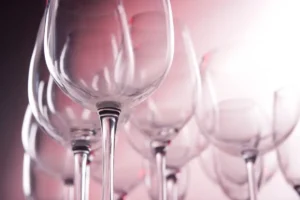
A good glass isn’t just for show – its shape focuses aromas and enhances flavour. A narrow rim traps delicate floral notes, while a wider bowl helps big reds breathe.
Check out our Wine Glass Guide to see which glass works best for each style.
4. Cleanse your palate
Between wines, drink water and nibble on plain bread or crackers. This helps neutralise your taste buds so you can fully appreciate the next wine without leftover flavours interfering.