How is sparkling wine made? While sparkling wines are often associated with celebration, their production is one of the most precise processes in winemaking. What sets sparkling wine apart isn’t the grape variety, but how the bubbles are created and retained in the wine.
This guide explains how sparkling wine is made, step by step, from grape to glass.
What Makes Sparkling Wine Different from Still Wine?
The defining feature of sparkling wine is the presence of carbon dioxide, which creates the bubbles.
Unlike still wines such as red or white wine, sparkling wine undergoes a second fermentation. During this process, carbon dioxide is produced and retained under pressure, becoming dissolved in the wine. When the bottle is opened, this gas is released in the form of bubbles.
This second fermentation can take place in a bottle, a tank, or occasionally through other methods, depending on the style of sparkling wine being made. The method used has a major impact on the wine’s texture, aroma, and overall quality.
Harvesting the Grapes
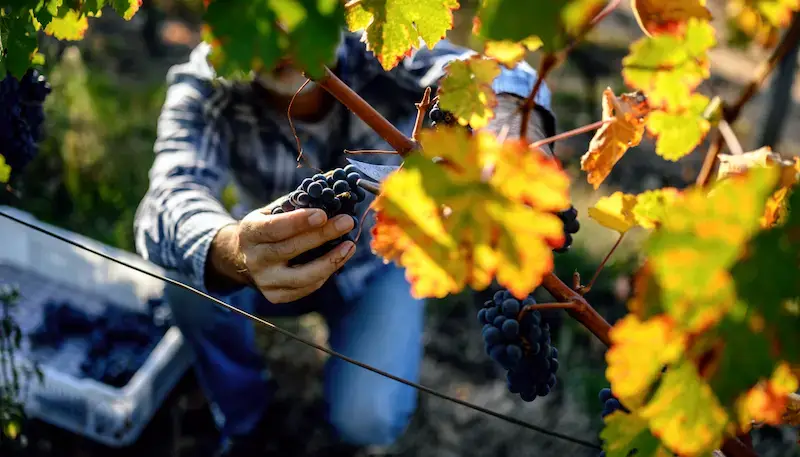
Grapes for sparkling wine are typically harvested earlier than those for still wines. Early harvesting helps preserve high acidity and lower sugar levels, both of which are essential for balance once bubbles are added.
Because sparkling wines rely on freshness and precision rather than ripeness and concentration, timing is especially important. Grapes picked too late can result in wines that feel heavy or lack the tension needed to support the bubbles.
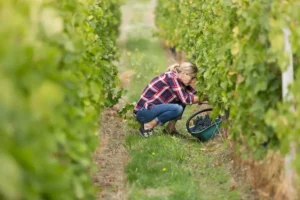
Harvesting can be done by hand or by machine, depending on the region and production scale. Hand harvesting is often preferred for premium sparkling wines, as it allows for gentler handling and careful selection. Machine harvesting is more efficient and widely used, particularly for larger volumes. In all cases, grapes are transported quickly to the winery to minimise oxidation and preserve freshness before pressing.
Pressing the Grapes
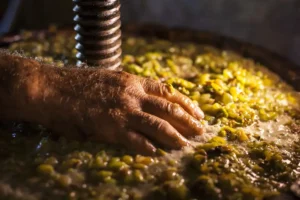
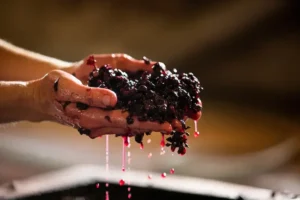
After harvest, grapes for sparkling wine are pressed gently and quickly to extract the juice while minimising contact with the skins. This is especially important, as excessive skin contact can add colour, bitterness, or tannins that are undesirable in most sparkling styles.
Even when sparkling wine is made from red grapes, such as Pinot Noir or Pinot Meunier, gentle pressing allows clear juice to be extracted. This is why many sparkling wines appear pale in colour despite being made from dark-skinned grapes.
The juice obtained from pressing is often separated into different fractions, with the first, lightest pressings typically reserved for higher-quality wines. Once pressed, the juice is clarified and prepared for the first fermentation.
First Fermentation: Making the Base Wine
After pressing and clarification, the grape juice undergoes a first fermentation, during which yeast converts sugar into alcohol. This produces a still wine known as the base wine.
At this stage, the goal isn’t to create a finished wine ready for drinking. Base wines for sparkling production are typically low in alcohol, high in acidity, and relatively neutral in flavour. This freshness and restraint are essential, as complexity will develop later in the process.
First fermentation usually takes place in stainless steel tanks to preserve purity and acidity, although some producers ferment part of the wine in oak for added texture. Once fermentation is complete, different base wines may be blended to create a consistent style before moving on to the next step.
Second Fermentation: Creating the Bubbles
The bubbles in sparkling wine are created during a second fermentation.
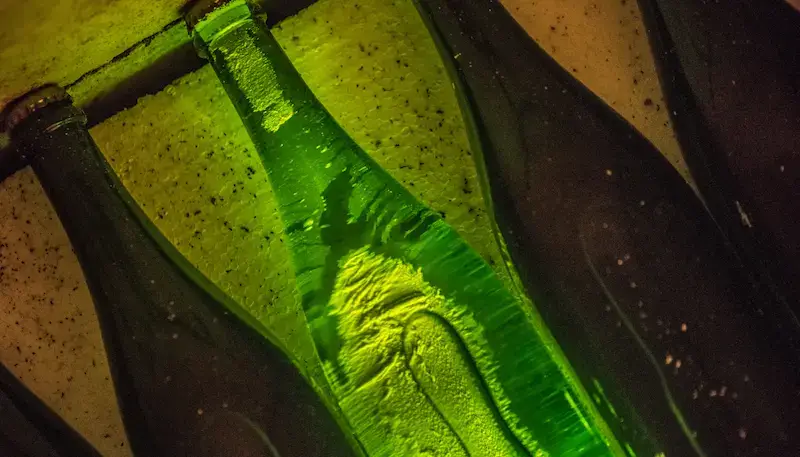
After the base wine is made and blended, a mixture of sugar and yeast is added. As the yeast consumes the sugar, it produces alcohol and carbon dioxide. Because this fermentation takes place in a sealed environment, the carbon dioxide cannot escape and instead dissolves into the wine.
This trapped carbon dioxide is what forms the bubbles when the bottle is opened. The pressure created during this stage is carefully controlled, as it affects the texture, fineness, and persistence of the bubbles.
Where and how this second fermentation happens depends on the method used to make the sparkling wine.
Different Methods of Making Sparkling Wine
Sparkling wines can be made using several different methods, each of which influences the wine’s texture, flavour, and overall style.
The traditional method involves a second fermentation taking place in the bottle. After fermentation, the wine is aged on its lees, which adds complexity, texture, and fine bubbles. This method is used for wines such as Champagne, Crémant, Cava and Sekt, as well as many premium sparkling wines around the world. It is typically associated with more structured, age-worthy styles.
The tank method (also known as the Charmat method) carries out the second fermentation in large sealed tanks rather than individual bottles. This approach preserves fresh fruit aromas and produces lighter, more approachable sparkling wines, most famously Prosecco.
The ancestral method relies on a single fermentation that finishes in the bottle. The wine is bottled before fermentation is complete, trapping carbon dioxide naturally. Wines made this way, often referred to as Pét-Nat (or Pétillant Naturel), tend to be lightly sparkling, sometimes cloudy, and have a more rustic or artisanal character.
In some cases, carbon dioxide is added directly to still wine. This produces simple, inexpensive sparkling wines, where the bubbles are less persistent and the style is more straightforward.
Lees Ageing and Riddling
After the second fermentation, many sparkling wines are aged on their lees – the spent yeast cells left behind after fermentation.
Lees ageing adds complexity and texture to the wine, contributing flavours such as bread, brioche, biscuit, or pastry. It also helps create a creamier mouthfeel and finer, more persistent bubbles. The length of time spent on the lees varies widely, from a few months to several years, depending on the style and quality level.
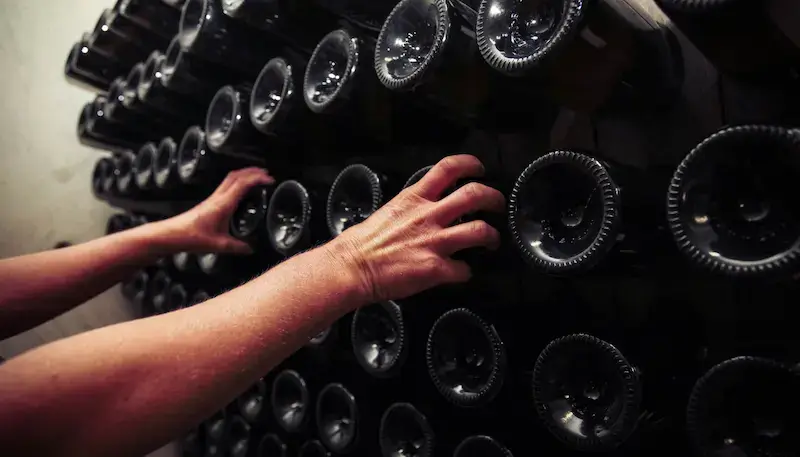
For sparkling wines made using the traditional method, the lees must eventually be removed. To prepare for this, the bottles undergo riddling, a process in which they are gradually turned and tilted so that the sediment collects in the neck of the bottle.
Once riddling is complete, the wine is ready for disgorgement.
Disgorgement and Dosage
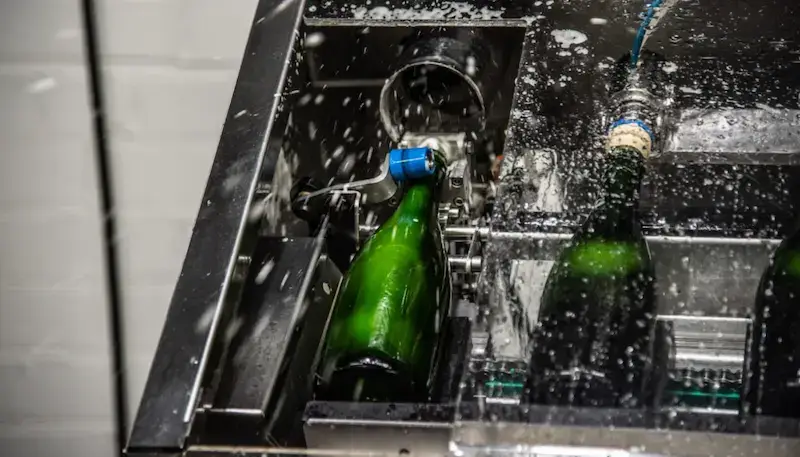
Once lees ageing and riddling are complete, the sediment collected in the neck of the bottle must be removed. This process is known as disgorgement.
During disgorgement, the neck of the bottle is frozen and the temporary cap is removed. The frozen plug of lees is expelled by the pressure inside the bottle, leaving the wine clear and free of sediment.
After disgorgement, the bottle is topped up with a mixture known as the liqueur d’expédition, made from wine and usually sugar. This step, known as dosage, determines the final sweetness level of the sparkling wine. Depending on the amount of sugar added, the wine can range from bone-dry to noticeably sweeter styles.
Bottling and Release
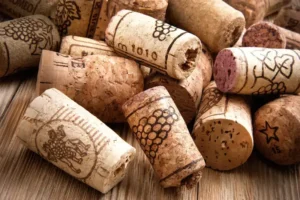
Once dosage is complete, the bottle is sealed with its final cork and secured with a wire cage to withstand the pressure inside.
Some sparkling wines are released shortly after bottling, while others may spend additional time ageing in bottle before reaching the market. The timing depends on the style and quality level the producer is aiming for.
When the wine is finally released, it reflects every decision made along the way – from harvest timing and blending to fermentation method and dosage.
How Sparkling Wine Style Is Shaped
Sparkling wine style is shaped by several factors, including harvest timing, the base wine profile, lees ageing, and dosage. However, the production method is the most influential element, as it determines how the bubbles are created, how the wine develops, and ultimately how it tastes and feels in the glass.
Understanding how sparkling wine is made helps explain why styles vary so widely – from fresh and fruit-driven wines to complex, layered expressions.