Port is the wine most of us think of at Christmas, poured next to a slice of Stilton or a mince pie. But there’s much more to it than one sweet red: from fruity Ruby and nutty Tawny to crisp White Port, it comes in a whole range of styles. Here’s everything you need to know to choose, serve and enjoy it.
What is Port?
Port is a fortified wine from the Douro Valley in northern Portugal. It takes its name from the city of Porto, at the mouth of the Douro river, where it has been shipped around the world for centuries.
Like other fortified wines, Port has grape spirit added during production. This makes it stronger than a regular wine, usually around 19-22% alcohol, and naturally sweet. It’s traditionally served in small glasses, at the end of a meal or with cheese.
How is Port made?
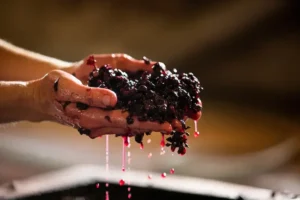
Port starts like any red wine: the grapes are crushed and left to ferment. Some producers still tread the grapes by foot in large stone tanks called lagares, which is a gentle way to extract colour and flavour from the skins.
After just two or three days, when the wine has reached around 5-9% alcohol and much of the sugar is still unfermented, a neutral grape spirit called aguardente is added. The extra alcohol stops the fermentation, so the natural sweetness of the grapes stays in the wine. The young Port is then aged, either in large vats, in smaller wooden casks or in the bottle, depending on the style.
You can find out more about each step in our guide on how fortified wine is made.
What grapes are used to make Port?
Dozens of grape varieties are allowed in Port, but most red Ports are blends of a handful of local grapes:
- Touriga Nacional: the star grape, with deep colour, black fruit and floral notes
- Touriga Franca: the most widely planted, bringing perfume and elegance
- Tinta Roriz: the local name for Tempranillo, adding structure and red fruit
- Tinta Barroca: soft, rich and fruity
- Tinto Cão: a rarer grape that gives freshness and ageing potential
White Port is made from local white grapes, such as Malvasia Fina and Gouveio.

What are the different styles of Port?
Port styles fall into two main families. Ruby styles are aged with little contact with air, so they keep their deep colour and fresh fruit. Tawny styles are aged in small wooden casks, where slow contact with oxygen turns them amber and nutty.
Ruby and Reserve Port
Ruby Port is the simplest and most affordable style. It’s aged for a few years in large vats, then bottled young, with bright red fruit and a deep ruby colour. Reserve Ruby is a step up, made from better wines and with more depth and concentration.
Late Bottled Vintage (LBV)
Late Bottled Vintage is made from a single year’s harvest and aged in wood for four to six years before bottling. It gives you a taste of the Vintage style at a much friendlier price, and most LBVs are ready to drink as soon as you buy them. Unfiltered LBVs are fuller and can age further in the bottle, but they need decanting.
Vintage Port
Vintage Port is the most prestigious style. It’s only made in exceptional years, when a producer “declares” a vintage, and is bottled after around two years in wood. It then ages in the bottle for decades, developing incredible depth. Vintage Port throws a sediment as it ages, so it always needs decanting.
Tawny Port
Tawny Port is aged in small wooden casks, which gives it its amber colour and flavours of caramel, dried fruit and nuts. Basic Tawny is a lighter, everyday style, while aged Tawnies carry an indication of age on the label: 10, 20, 30 or 40 Years Old. The number reflects the style and average age of the blend, and the older the Tawny, the more complex and nutty it becomes.
Colheita
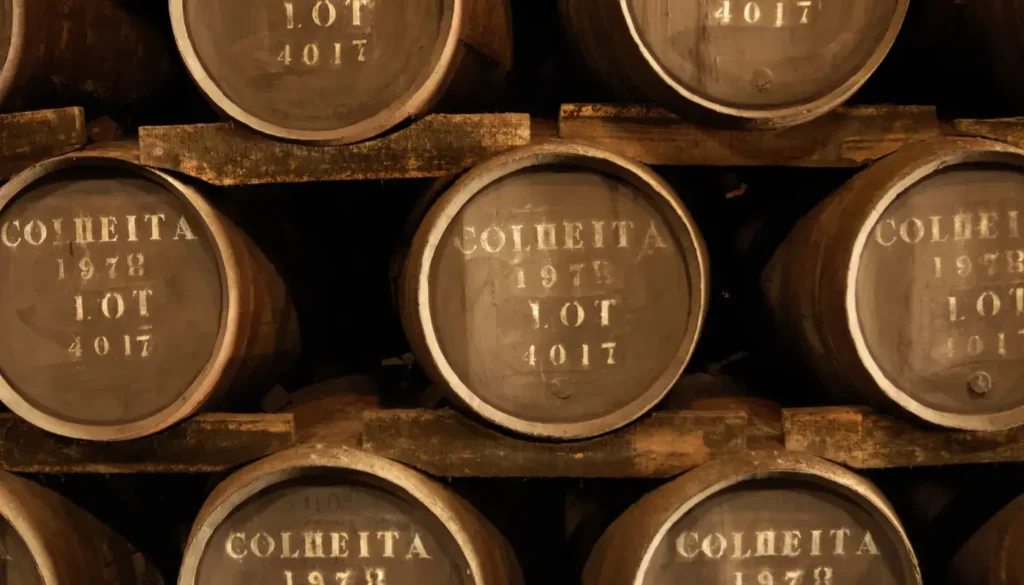
Colheita is a Tawny Port from a single harvest, with the year on the label. It spends at least seven years in wood before bottling, often much longer, and offers the same nutty richness as an aged Tawny.
White Port
White Port is made from white grapes and ranges from dry to sweet. Lighter and fresher than red styles, it’s best served chilled, on its own or as a long drink with tonic.
Rosé Port
Rosé Port is a more recent style, made like a rosé wine with only a short contact with the grape skins. It’s light, fruity and best served chilled or over ice.

What does Port taste like?
Port is sweet, rich and warming, but each family has its own character:
- Ruby, LBV and Vintage Port: blackberry, black cherry, plum, chocolate and spice
- Tawny and Colheita: caramel, toffee, dried figs, orange peel, walnuts and almonds
- White Port: apricot, citrus peel, honey and nuts
With age, Vintage Port also develops more savoury notes, like leather and dried fruit, while its sweetness feels softer and more integrated.
How do you serve Port?
Serve Port in a small wine glass rather than a tiny sherry glass, so you can swirl it and enjoy its aromas. Our guide on how to choose your wine glasses has more on dessert wine glasses.
Temperature makes a big difference:
- Ruby and LBV: lightly cool, around 12-18°C
- Vintage Port: around 16-18°C, just below room temperature
- Tawny Port: lightly chilled, around 10-16°C, which brings out its freshness
- White and Rosé Port: well chilled, around 6-10°C, or over ice
You’ll find the ideal temperature for every style in our wine serving temperature guide.
Vintage Port and unfiltered LBV need decanting to remove their sediment. Stand the bottle upright for a day before opening, then pour it slowly into a decanter, stopping when you see the sediment reach the neck of the bottle.
How long does Port last once opened?
Thanks to its higher alcohol, Port lasts longer than most wines once opened, but it depends on the style:
- Vintage Port: best within a day or two, like a fine red wine
- Ruby and LBV: around one to two weeks
- Tawny and Colheita: a few weeks, as they’re already used to contact with air
- White and Rosé Port: a few days, like a white wine
Reseal the bottle and keep it in a cool place or in the fridge. For other styles, see our guide on how long wine lasts once opened.
What food goes with Port?
Port is a fantastic partner for cheese and desserts, and White Port works beautifully as an apéritif.
Cheese
Port and Stilton is one of the great classic pairings: the sweetness of the wine balances the salty, creamy blue cheese. A Ruby, LBV or Vintage Port works best. Tawny Port is lovely with hard, nutty cheeses like aged Cheddar, Comté or Manchego. For more ideas, see our guide to wine and cheese pairing.
Chocolate and desserts
Ruby and LBV Port pair well with dark chocolate and berry desserts, while Tawny is perfect with caramel, nuts and toffee flavours, such as crème brûlée, pecan pie or sticky toffee pudding. Find more matches in our guide to wine with chocolate.
Christmas
Port is a festive favourite. Tawny Port is a classic match for Christmas pudding, Christmas cake and mince pies, with its dried fruit and nutty flavours. Our Christmas wine pairing guide has ideas for every course of the meal.
As an apéritif
Dry White Port is a lovely apéritif, served chilled with salted almonds or olives. In summer, try it as a White Port and tonic: pour roughly one part White Port to two parts tonic water over plenty of ice, and garnish with a slice of orange and a sprig of mint.
FAQ
Is Port a wine?
Yes, Port is a wine made from grapes, with a grape spirit added during fermentation. That’s why it’s called a fortified wine, and why it’s stronger and sweeter than a regular wine.
Should you keep Port in the fridge?
Once opened, keeping Port in the fridge or a cool place helps it last longer. Just take a red Port out a little before serving, so it’s not too cold.
What’s the difference between Ruby and Tawny Port?
Ruby Port is aged with little contact with air, so it stays deep red and fruity. Tawny Port is aged in small wooden casks, which makes it amber in colour, with nutty and caramel flavours.
Why is Port passed to the left?
It’s a British dining tradition: the decanter of Port is passed around the table to the left, and everyone serves themselves. Nobody knows for sure where the custom comes from, but it’s still followed at many formal dinners.
What’s a good Port for beginners?
A Reserve Ruby or a 10 Year Old Tawny are great places to start. They’re easy to find, good value and show the two main styles of Port at their best.