How is rosé wine made? Rosé wines may look simple in the glass, but their production relies on precise timing and careful control. Despite common misconceptions, rosé is not made by blending red and white wine. Its colour and style come from brief contact between the juice and grape skins.
This guide explains how rosé wine is made, step by step, from grape to bottle.
What Makes Rosé Wine Different from Red and White Wine?
The key difference between rosé, red, and white wine lies in how long the grape skins remain in contact with the juice.
Rosé is made from red grape varieties, but unlike red wine, the skins are removed after a short period of maceration. This brief contact extracts just enough colour and flavour to give rosé its pink hue, while keeping tannins low and the style fresh and approachable.
White wine is usually pressed immediately, with little to no skin contact, while red wine ferments with the skins for a much longer period, resulting in deeper colour and structure.
In simple terms, rosé sits between red and white not because it’s blended, but because of precisely controlled skin contact during winemaking.
Harvesting the Grapes
Grapes for rosé wine are typically harvested early, similar to white wine production. Early harvesting helps preserve acidity and freshness, which are essential to rosé’s crisp, refreshing style.
Because rosé relies on subtle colour extraction and delicate flavours, picking too late can result in wines that feel heavy or lack balance. Winemakers therefore monitor ripeness carefully and choose the harvest date based on the desired style.
Harvesting can be done by hand or machine. In warmer regions, grapes are often picked in the early morning or at night to keep them cool and reduce the risk of oxidation before processing.
Short Maceration
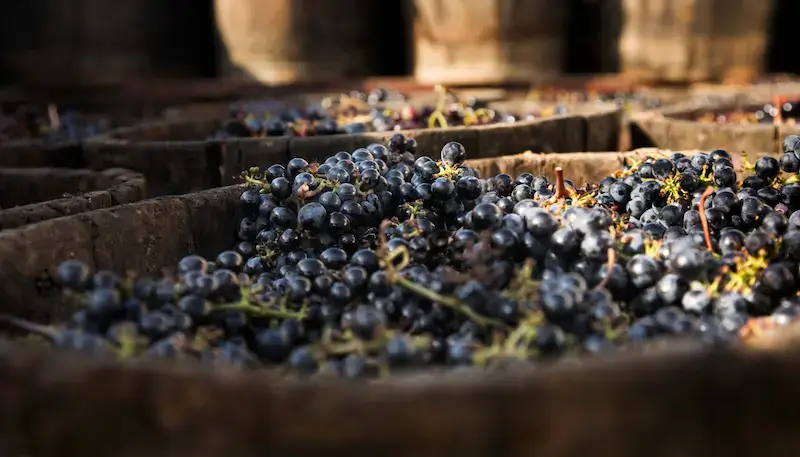
After harvest, the grapes are crushed to release the juice, and the skins are left in contact with it for a short period of maceration.
This step is what gives rosé its colour. Depending on the grape variety and the style the winemaker is aiming for, skin contact can last anywhere from a few hours to a day or two. The longer the skins remain in contact with the juice, the deeper the colour and the more flavour is extracted.
Timing is critical. Too little skin contact can result in very pale, delicate wines, while too much pushes the wine towards a red wine style. Once the desired colour and profile are achieved, the juice is separated from the skins.
From this point onwards, rosé is treated much like white wine.
Small variations at this stage can lead to very different rosé styles. Shorter skin contact tends to produce paler, more delicate wines, while longer maceration results in deeper colour and more structure.
Some rosés are also made using the saignée method, where juice is drawn off from a red wine fermentation early on. These rosés are typically deeper in colour and more intense in flavour. Blending red and white wine is generally avoided for still rosé wines, except in a few specific cases such as certain sparkling styles.
Pressing the Grapes
Once the desired colour and flavour are achieved, the juice is separated from the skins through pressing.
This step stops further extraction from the skins and locks in the rosé’s final colour. The pressed juice is pale pink and low in tannins, which helps keep the wine fresh, light, and approachable.
From this stage onward, rosé winemaking closely follows the same process as white wine, with fermentation carried out without the grape skins.
Fermentation
After pressing, rosé wine is fermented without the grape skins, much like white wine.
Fermentation typically takes place at cool temperatures, which helps preserve fresh fruit aromas and bright acidity. This is especially important for rosé, where freshness and balance are central to the wine’s appeal.
Most rosé wines are fermented in stainless steel tanks to maintain purity and aromatic clarity, though some producers may choose alternative vessels to add subtle texture. Fermentation usually lasts from a few days to a few weeks, depending on the style.
Once fermentation is complete, the wine moves on to the next stage of refinement.
Ageing and Stabilisation
Most rosé wines are aged for a relatively short period and are intended to be enjoyed while fresh.
Ageing usually takes place in stainless steel tanks, which helps preserve fruit character, brightness, and acidity. Unlike many red wines, rosé is rarely aged in oak, as the focus is on lightness and freshness rather than structure or complexity.
Before bottling, rosé wines are clarified and stabilised to ensure they remain clear and stable over time. This helps prevent haze, sediment, or unwanted changes once the wine is chilled or stored.
While some producers choose minimal intervention approaches, the majority of rosé wines are prepared for early release and immediate enjoyment.
Bottling the Wine
Once the winemaker is satisfied with the wine’s freshness, balance, and stability, the rosé is ready to be bottled.
Rosé wines are usually bottled soon after fermentation and stabilisation to preserve their vibrant fruit character and crisp acidity. The wine is sealed using a cork, screw cap, or alternative closure, depending on the producer’s preference and the intended drinking window.
Most rosé wines are released quickly and are best enjoyed young, when their freshness and aromatic clarity are at their peak.
How Rosé Wine Style Is Shaped
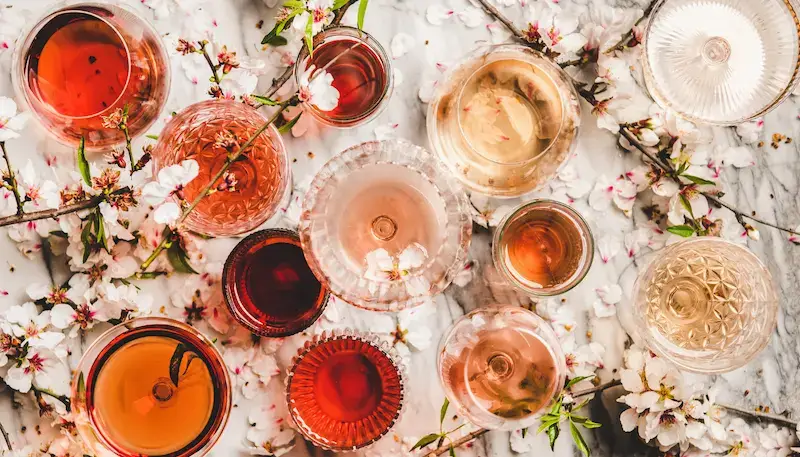
Rosé wine style is shaped by a series of precise decisions, from harvest timing to the length of skin contact and fermentation choices. Small variations at each stage can lead to noticeable differences in colour, texture, and flavour.
Understanding how rosé wine is made helps explain why styles range from very pale and delicate to deeper-coloured and more structured.