How is red wine made? Red wine may seem complex, but the process behind it is surprisingly logical once you understand the key stages. What truly sets red wine apart from white wine isn’t the grape variety itself, but the way the juice is fermented together with the grape skins, extracting colour, tannin, and flavour.
This guide explains how red wine is made, step by step, from grape to bottle.
What Makes Red Wine Different from White Wine?
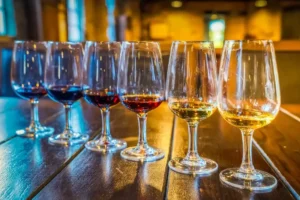
The key difference between red and white wine lies in skin contact during fermentation, a process known as maceration.
When making red wine, the grape juice ferments together with the skins, seeds, and sometimes stems. This contact allows colour, tannins, and flavour compounds to be extracted into the wine, giving red wine its structure, depth, and ageing potential.
White wine is made differently. In most cases, the grapes are pressed immediately after harvest, and only the juice is fermented. Without extended skin contact, white wines remain lighter in colour and lower in tannins.
In short, it’s not the colour of the grape that defines red wine – it’s the winemaking process.
Harvesting the Grapes
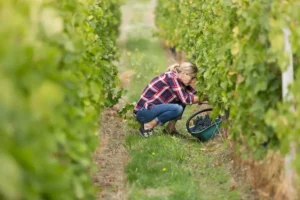
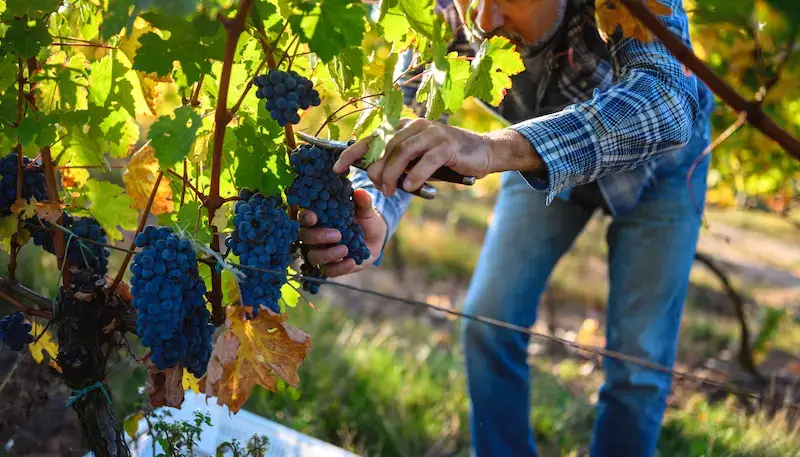
Red wine grapes are harvested when they reach the desired balance of sugar, acidity, and flavour ripeness. This timing is crucial, as it directly affects the wine’s alcohol level, freshness, and overall style.
Harvesting too early can result in wines that taste thin, sharp, or underdeveloped, while harvesting too late can lead to overly alcoholic wines with heavy, jammy flavours. Winemakers monitor ripeness closely in the vineyard to decide the ideal moment to pick.
Grapes can be harvested by hand or by machine. Hand harvesting allows for more careful grape selection and is often used for premium wines or steep vineyards, while machine harvesting is faster and more efficient for larger-scale production.
Once picked, the grapes are quickly transported to the winery to avoid oxidation or unwanted fermentation before processing begins.
Crushing & Destemming
Once the grapes arrive at the winery, they are usually destemmed and gently crushed. Destemming removes the grape stalks, which can add bitterness and harsh tannins if left in contact with the wine.
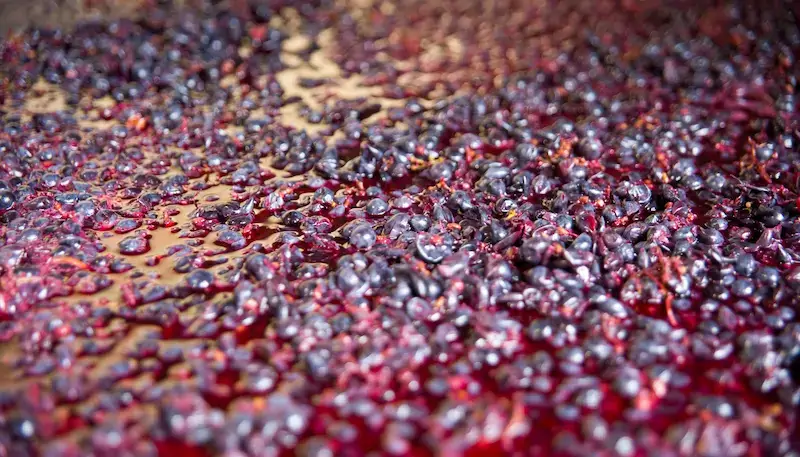
Crushing breaks the grape skins just enough to release the juice, while keeping the seeds largely intact to avoid extracting unwanted bitterness. At this stage, everything – juice, skins, and seeds – is transferred into a fermentation vessel. This mixture is known as the must.
Some winemakers choose to ferment grapes with some or all of the stems still attached, a technique known as partial or whole-bunch fermentation. This is a stylistic choice rather than a rule, and it can influence the wine’s structure, freshness, and aromatic profile. Whole-bunch fermentation is often associated with certain regions and styles, but it remains less common than full destemming.
From here, fermentation can begin, with the skins already present to shape the wine’s colour and structure.
Fermentation & Maceration
Fermentation is where red wine really takes shape. During this stage, yeast converts the natural sugars in the grape juice into alcohol. At the same time, the juice remains in contact with the grape skins in a process known as maceration.
As fermentation progresses, colour, tannins, and flavour compounds are extracted from the skins and seeds. Warmer fermentation temperatures are typically used for red wine, as heat helps encourage this extraction and builds structure.
As carbon dioxide is released, the grape skins rise to the surface of the fermenting wine, forming what’s known as a cap. To ensure even extraction, winemakers usually manage this cap by either punching it down into the liquid or pumping juice over it. How often this is done depends on the style of wine being made.
The length of maceration can vary significantly. Shorter skin contact produces lighter, fruit-driven styles, while extended maceration results in deeper colour, firmer tannins, and greater ageing potential.
Once the desired balance has been reached, fermentation is allowed to finish and the wine is ready for the next stage.
Pressing the Wine
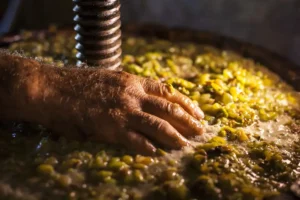
Once fermentation and maceration are complete, the wine is pressed to separate the liquid from the grape skins and seeds.
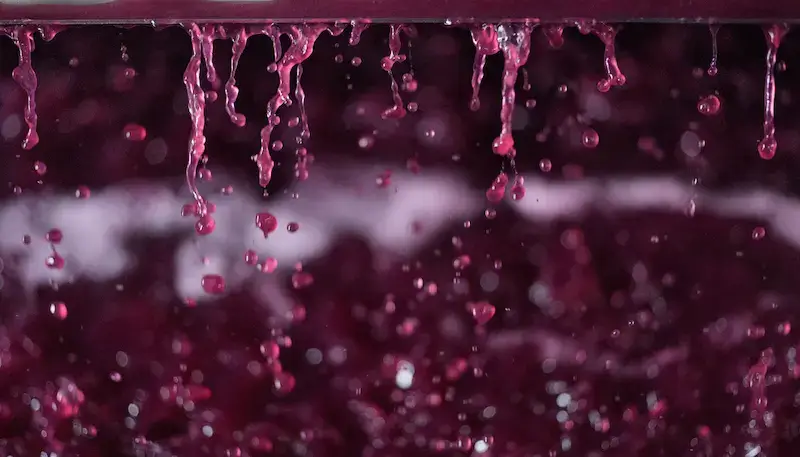
The wine that drains freely before pressing is known as free-run wine. It is usually softer, more aromatic, and lower in tannins. The remaining solids are then gently pressed to extract the remaining liquid, producing press wine, which is richer, more structured, and more tannic.
Depending on the style they’re aiming for, winemakers may keep these components separate or blend them together in different proportions. Lighter, fruit-forward reds often rely more on free-run wine, while fuller-bodied, age-worthy styles may include a portion of press wine for added depth and structure.
Once pressing is complete, the wine moves on to the next stage, where texture and balance are further refined.
Malolactic Fermentation
Most red wines go through a second process called malolactic fermentation, often shortened to malolactic or MLF. Despite the name, this isn’t a true fermentation like the first one. Instead, it’s a natural bacterial process that transforms sharp malic acid (the kind found in green apples) into softer lactic acid.
This step makes red wines taste rounder and smoother, reducing harsh acidity and improving overall balance. It also helps stabilise the wine, making it less likely to change in the bottle later on.
Malolactic fermentation usually happens shortly after alcoholic fermentation, either in tank or in barrel. For most red wines, it’s considered an essential step and is encouraged by the winemaker, as it contributes to the wine’s texture and drinkability.
Once malolactic fermentation is complete, the wine is ready to be aged and further developed.
Ageing: Tank, Barrel or Bottle
After fermentation and malolactic fermentation, red wine is aged to develop complexity, texture, and balance. How – and for how long – a wine is aged depends entirely on the style the winemaker wants to achieve.
Some red wines are aged in stainless steel tanks, which preserve fresh fruit flavours and keep the wine vibrant and approachable. These wines are usually intended to be enjoyed young, highlighting purity.
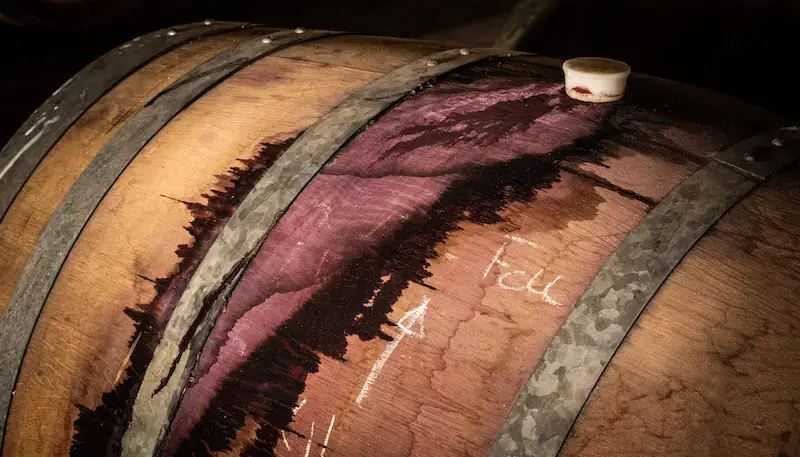
Others are aged in oak barrels, where the wine slowly interacts with oxygen. This gentle exposure helps soften tannins and can add flavours such as spice, vanilla, toast, or smoke, depending on the type and age of the barrel. Barrel ageing also gives wines greater depth and ageing potential.
Once bottled, some wines are ready to drink straight away, while others benefit from further bottle ageing, allowing flavours to integrate and evolve over time. The choice of ageing method plays a major role in shaping a red wine’s final character.
Clarification and Stabilisation
Before bottling, red wine is usually clarified and stabilised to ensure it looks clear, tastes balanced, and remains stable over time. This stage removes any remaining solids and helps prevent unwanted changes once the wine is sealed.
Some wines are clarified naturally by allowing particles to settle, while others are fined or filtered to speed up the process. These choices depend on the style of wine being made, the producer’s philosophy, and how the wine is intended to be enjoyed.
Stabilisation also helps ensure the wine won’t develop faults or cloudiness after bottling. While these steps are common, some producers choose to bottle wines unfined or unfiltered, accepting a more natural appearance in exchange for minimal intervention.
At this stage, decisions around vegetarian or vegan winemaking may also come into play, depending on the methods used.
Bottling the Wine
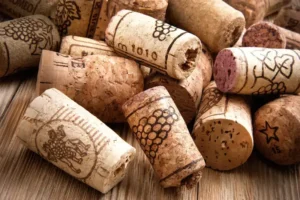
Once the winemaker is satisfied with the wine’s balance, clarity, and stability, it is ready to be bottled. At this stage, the wine is sealed using a cork, screwcap, or alternative closure, depending on the style of wine and the producer’s preference.
Some red wines are bottled with the intention of being enjoyed straight away, highlighting fresh fruit and approachability. Others are designed to age further in bottle, where flavours continue to develop and integrate over time.
How Red Wine Style Is Shaped
Every decision made during winemaking influences the final wine. Grape variety, length of skin contact, fermentation choices, ageing method, and blending all play a role in shaping a red wine’s structure, flavour, and ageing potential.
This is why two wines made from the same grape can taste completely different. Understanding how red wine is made makes it easier to understand why styles vary so widely – and why winemaking matters just as much as the grape itself.