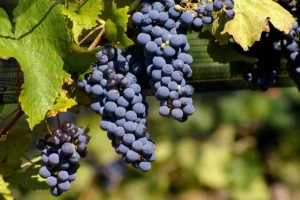
Wine looks like a simple product made from grapes, but not all wines are suitable for vegetarians or vegans. While grapes themselves are plant-based, some wines are made using animal-derived products during the winemaking process – often without this being mentioned on the label.
This guide explains why that happens, what vegetarian and vegan wine really mean, and how to tell whether a wine fits your lifestyle.
Why Isn’t All Wine Vegan or Vegetarian?
The issue isn’t the grapes – it’s what happens after fermentation.
Most wines go through a clarification step called fining after fermentation. Fining helps remove tiny particles such as proteins, yeast remnants, and tannins that can make a wine look cloudy or taste harsh. To do this, winemakers add a substance that binds to these particles so they can be removed before bottling.
Traditionally, many of these fining agents come from animal-derived products. One of the most common is egg white, which has long been used in red wines to soften tannins and create a smoother texture. Isinglass, made from fish bladders, is often used in white and sparkling wines because it is particularly effective at clarifying without stripping flavour. Gelatin, derived from animal collagen, can be used to reduce bitterness or excess colour, while casein, a milk protein, helps stabilise and brighten certain white wines.
These substances are not ingredients in the final wine. They are added temporarily, bind with unwanted particles, and are then removed during racking or filtration. However, because animal products are involved in the process, the wine is not considered vegetarian or vegan.
The use of animal-derived fining agents is largely a matter of tradition and practicality rather than necessity. Modern winemaking offers many effective alternatives, and some producers choose animal-based products simply because they are familiar, inexpensive, or well suited to a particular style of wine.
This is why a wine that looks clear, tastes clean, and contains no obvious animal ingredients may still not be suitable for vegetarians or vegans – the difference lies in how the wine was made, not what remains in the bottle.
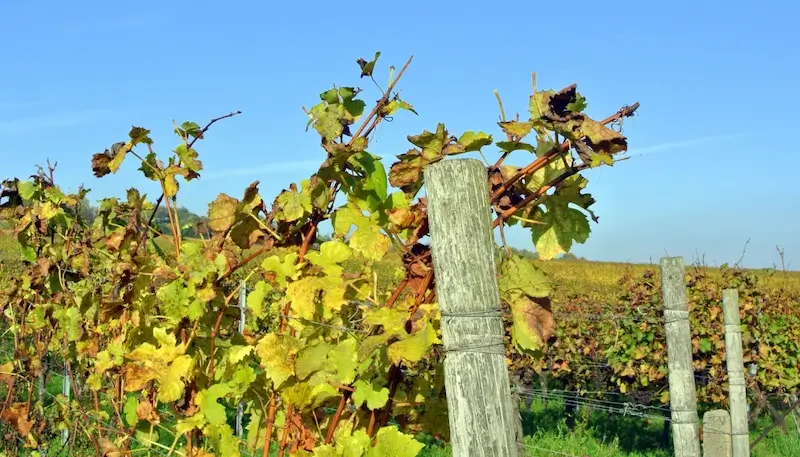
What Is Vegetarian Wine?
Vegetarian wine is wine that has not been clarified or filtered using animal-derived products. Rather than relying on traditional animal-based products, these wines are either clarified using alternative methods or left to settle naturally before bottling.
Because the winemaking process avoids animal products at this stage, vegetarian wines are also suitable for vegans. In practice, however, the term “vegetarian wine” is used far less often than “vegan wine,” as most producers who follow these methods choose to label their wines as vegan instead.
It’s important to note that vegetarian wine doesn’t describe a style, flavour, or quality level. It simply refers to a choice made during production – one that has no direct impact on how the wine tastes in the glass.
What Is Vegan Wine?
Vegan wine is wine made without the use of animal-derived products at any point in the winemaking process. This goes beyond avoiding traditional fining agents and covers every stage of production, ensuring that no animal by-products are used along the way.
Instead of relying on conventional animal-based methods, vegan wines are clarified using alternative approaches or allowed to settle naturally before bottling. Because of this, all vegan wines are suitable for vegetarians, but the reverse isn’t always true unless a wine is clearly labelled as vegan.
In practice, vegan wine isn’t a separate style or category in terms of taste. It simply reflects a deliberate production choice, often made for ethical, environmental, or practical reasons. Many modern wineries now follow vegan-friendly methods by default, even if they don’t always highlight it on the label.
How Are Vegan and Vegetarian Wines Made Instead?
When winemakers choose not to use animal-derived fining agents, they have several effective alternatives. Some rely on mineral-based products, such as bentonite clay, which is commonly used to clarify white wines. Others use plant-based proteins or gentle filtration methods that remove particles without affecting flavour.
In many cases, wines are simply left to settle naturally over time, allowing solids to fall to the bottom before bottling. This slower approach avoids fining altogether and is widely used by producers who favour minimal intervention.
These methods are now common across modern winemaking and have no negative impact on quality. In fact, many producers choose them simply because they are practical, consistent, and align better with contemporary expectations.

How to Tell If a Wine Is Vegan or Vegetarian
This is often the most confusing part, as vegan and vegetarian labelling isn’t mandatory in many countries. Some producers clearly state “vegan” or “suitable for vegans” on the label, sometimes alongside a recognised certification, which makes things straightforward.
In other cases, the information isn’t on the bottle itself. Many producers explain their winemaking practices on their website, including whether animal-derived fining agents are used. Specialist wine retailers also increasingly highlight vegan- and vegetarian-friendly options, which can be helpful when shopping.
If there’s no mention at all, it doesn’t automatically mean the wine isn’t vegan or vegetarian – it may simply be unlabelled. This is especially common with smaller producers who follow vegan-friendly practices but don’t see certification as a priority.
When in doubt, the safest approach is to check directly with the producer or buy from retailers that clearly identify vegan and vegetarian wines. With growing demand, this information is becoming easier to find, even if it’s not always front and centre on the label.
Is Unfined or Unfiltered Wine Vegan?
Often, but not always.
Unfined or unfiltered wines typically skip the fining stage altogether, which makes them more likely to be vegan-friendly. Instead of using fining agents to clarify the wine, producers allow particles to settle naturally or rely on gentle filtration methods.
However, this doesn’t guarantee that a wine is vegan. Some wines may still use animal-derived products earlier in the winemaking process, even if no fining takes place before bottling. As a result, “unfined” or “unfiltered” describes how a wine looks and is processed – not whether animal products were avoided entirely.
Unless a wine is clearly labelled as vegan or confirmed by the producer, unfined or unfiltered status alone shouldn’t be taken as a guarantee. It’s a helpful clue, but not a definitive answer.
Do Vegan or Vegetarian Wines Taste Different?
No – not by default.
Vegetarian and vegan wines don’t have a distinct flavour profile of their own. How a wine tastes is shaped by the grape variety, the region it comes from, and the choices made during fermentation and ageing – not by whether animal-derived products were used during clarification.
In most cases, you wouldn’t be able to tell the difference in a blind tasting. Vegan- and vegetarian-friendly methods are simply alternative ways of clarifying wine, and they don’t alter its character or quality. The result in the glass depends far more on the winemaker’s style than on the fining method used.

Are Organic, Biodynamic or Natural Wines Always Vegan?
Not necessarily.
While many organic, biodynamic, and natural wines are vegan-friendly, these terms mainly describe how the grapes are grown, not how the wine is clarified. As a result, animal-derived fining agents can still be used unless the producer has chosen to avoid them.
Natural wines, in particular, are often vegan because they tend to be unfined or minimally processed, but this isn’t guaranteed. Organic and biodynamic wines may also use traditional fining methods, even though their farming practices are more environmentally focused.
As with any wine, the safest way to know is to check the label, consult the producer, or buy from retailers that clearly identify vegan and vegetarian options.
The Bottom Line
Wine isn’t automatically vegetarian or vegan, even though it’s made from grapes. The difference comes down to how the wine is clarified, not to ingredients you’d expect to find in the bottle.
Once you understand the role of fining and know what to look for on a label, choosing vegetarian or vegan wine becomes straightforward. It’s simply a production choice – and one that has no impact on quality or flavour in the glass.