Champagne and Prosecco are the two most popular sparkling wines in the world, but they’re very different. Champagne comes from France and gets its bubbles in the bottle, which gives it toasty, brioche flavours. Prosecco comes from Italy and gets its bubbles in a large tank, which keeps it light and fruity. Here’s everything you need to know to choose between them.
What is the difference between Champagne and Prosecco?
Here are the main differences at a glance:
| Champagne | Prosecco | |
|---|---|---|
| Country | France | Italy |
| Region | Champagne | Veneto and Friuli Venezia Giulia |
| Main grapes | Chardonnay, Pinot Noir, Pinot Meunier | Glera |
| Method | Second fermentation in the bottle (traditional method) | Second fermentation in a tank (tank method) |
| Ageing on lees | At least 15 months | Usually a few weeks to a few months |
| Bubbles | Fine and persistent | Light and frothy |
| Flavours | Citrus, apple, brioche, toast | Pear, apple, melon, white flowers |
| Price | Higher | More affordable |
| Best for | Celebrations, food pairing | Apéritifs, parties, cocktails |
Where do Champagne and Prosecco come from?
Champagne can only come from the Champagne region in north-east France, around the cities of Reims and Épernay. The cool climate and chalky soils give wines with high acidity, perfect for sparkling wine. Any sparkling wine made elsewhere, even with the same method, can’t be called Champagne.
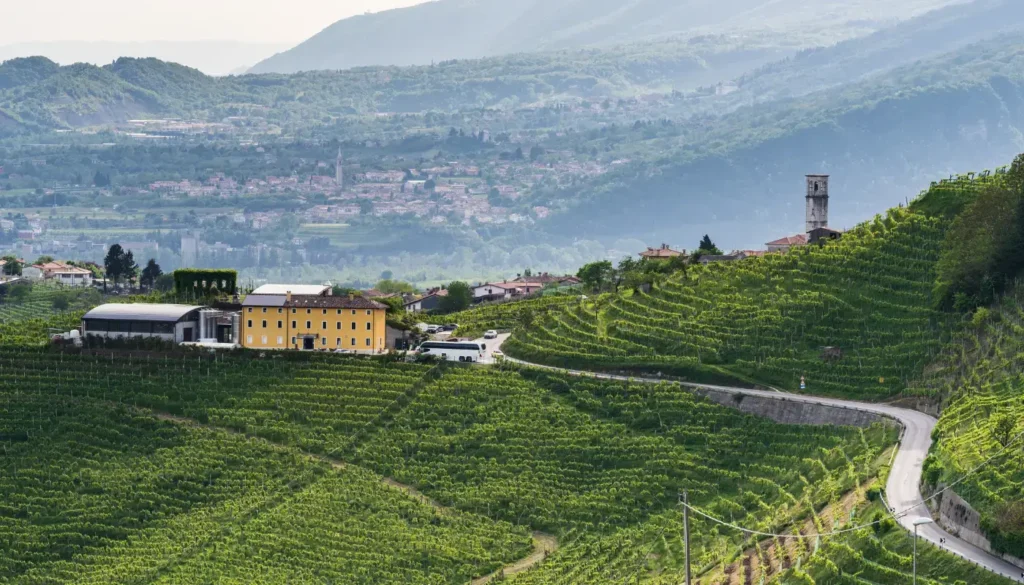
Prosecco comes from north-east Italy, in the Veneto and Friuli Venezia Giulia regions. Most bottles are labelled Prosecco DOC, while the best come from two smaller areas in the hills of the Veneto, labelled DOCG: Conegliano Valdobbiadene Prosecco Superiore and Asolo Prosecco. The steep hills of Conegliano and Valdobbiadene are so beautiful that they’re a UNESCO World Heritage Site.
What grapes are used in Champagne and Prosecco?
Champagne is mainly made from three grapes:
- Chardonnay: brings freshness, citrus and elegance
- Pinot Noir: adds body, structure and red fruit
- Pinot Meunier: gives roundness and fruity notes
Most Champagnes are blends of these grapes. A Blanc de Blancs is made only from white grapes, usually Chardonnay, while a Blanc de Noirs is made from black grapes.
Prosecco is made mainly from Glera, a white grape with aromas of pear, apple and white flowers. It must make up at least 85% of the blend.
How are Champagne and Prosecco made?
Both start as a still white wine, called the base wine. The difference lies in how they get their bubbles, during a second fermentation. Our guide on how sparkling wine is made explains each method in detail.
Champagne: the traditional method
For Champagne, the second fermentation takes place inside each bottle. Winemakers add a little sugar and yeast to the base wine, then seal the bottle, and the carbon dioxide stays trapped in the wine as bubbles.
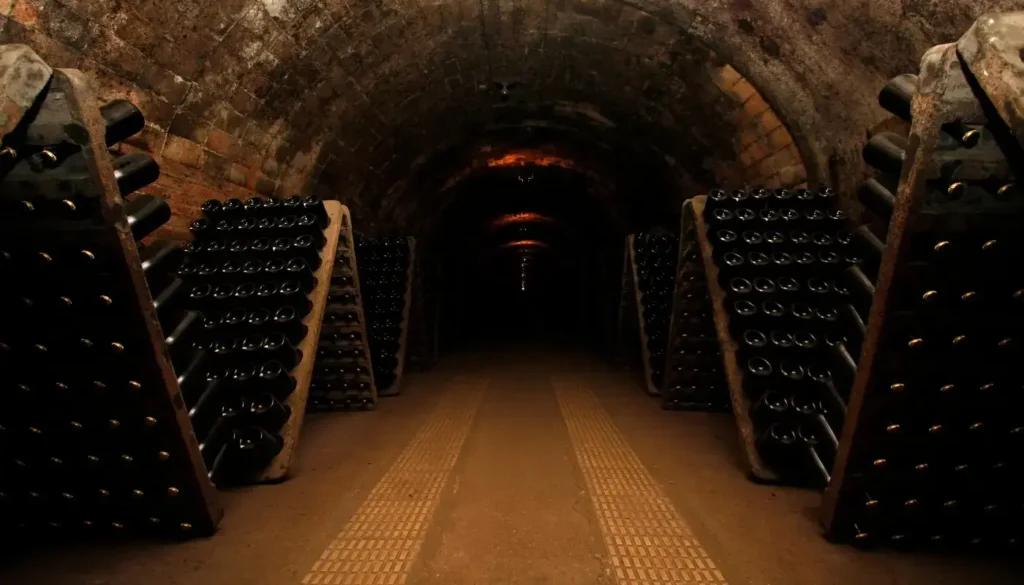
The wine then ages on its lees, the dead yeast cells left after fermentation, which give Champagne its toasty, brioche flavours. Non-vintage Champagne must age for at least 15 months, including 12 months on its lees, and vintage Champagne for at least three years. Finally, the lees are gathered in the neck of the bottle, a step called riddling, and removed by disgorgement.
Prosecco: the tank method
For Prosecco, the second fermentation takes place in large pressurised tanks, a process called the tank method or Charmat method. Winemakers often stop the fermentation by chilling the tank, which leaves a touch of natural sweetness. The wine is then filtered and bottled under pressure.
This method is quicker and keeps the fresh, fruity aromas of the Glera grape. Most Prosecco is released within a few months and is best enjoyed young. You’ll find it as spumante, fully sparkling, or frizzante, lightly sparkling with fewer bubbles.
What do Champagne and Prosecco taste like?
Champagne
Champagne is crisp and elegant, with fine, persistent bubbles. Typical flavours include:
- Lemon, green apple and pear
- Brioche, toast and biscuit
- Almond and, with age, honey and nuts
Prosecco
Prosecco is lighter and fruitier, with softer, frothier bubbles. Typical flavours include:
- Pear, green apple and melon
- White flowers, like honeysuckle
- A light, fresh finish
Which is sweeter, Champagne or Prosecco?
Both come in different levels of sweetness, shown on the label. Most Champagne is Brut, which is dry. Prosecco is often labelled Extra Dry, which, confusingly, is slightly sweeter than Brut.
So if you prefer a really dry style, choose a Brut Champagne or a Brut Prosecco. For a sweeter option, try a Demi-Sec, which pairs well with desserts. Find out more about sweet sparkling wines in our guide to dessert wine.
Why is Champagne more expensive than Prosecco?
Champagne usually costs more because it takes much longer to make. Each bottle goes through its own second fermentation, then ages on its lees for at least 15 months, often much longer. Grapes from the Champagne region are also among the most expensive in the world.
Prosecco, on the other hand, is made in large tanks and released within months, which keeps its price lower. That’s why it has become such a popular everyday sparkling wine.
What food goes with Champagne and Prosecco?
Champagne
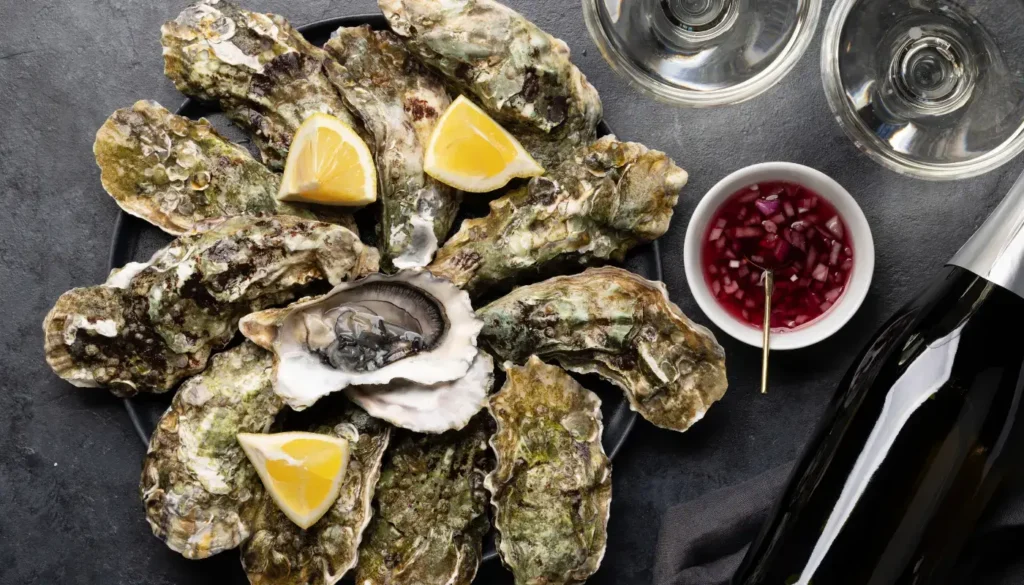
Champagne’s acidity and toasty notes make it very versatile. It’s a classic match for oysters and smoked salmon, and is wonderful with salty, fried food, from crisps to fried chicken. It also pairs beautifully with hard cheeses like Comté or Parmesan. For festive ideas, see our Christmas wine pairing guide.
Prosecco
Prosecco’s light, fruity style is perfect as an apéritif, with Italian antipasti, prosciutto or light seafood starters. It’s also the star of many cocktails, like the Aperol Spritz and the Bellini, made with white peach purée.
What about other sparkling wines?
Champagne and Prosecco aren’t the only options. Many other sparkling wines use the same methods, often at a lower price.
Made like Champagne (traditional method), for toasty, complex styles:
- Crémant: made in several French regions, like the Loire, Alsace and Burgundy
- Cava: from Spain, mostly from Catalonia
- English sparkling wine: from the south of England, often with the same grapes as Champagne
- Franciacorta: from Lombardy, in northern Italy
Made like Prosecco (tank method), for fresh, fruity styles: try a sweet Asti from Piedmont, or many German Sekt.
Which one should you choose?
Choose Champagne for special occasions, for a toast or to pair with a meal, especially if you enjoy rich, toasty flavours. Choose Prosecco for a relaxed apéritif, a party or cocktails, when you want something light, fruity and affordable.
How do you serve Champagne and Prosecco?
Serve both well chilled, around 6–10°C, which keeps the bubbles lively. Our wine serving temperature guide has more tips.
A tulip-shaped glass is the best choice for both, as it keeps the bubbles while letting you enjoy the aromas. See our guide on how to choose your wine glasses.
Once opened, Champagne and Prosecco keep for 1 to 3 days in the fridge with a proper sparkling wine stopper. Find out more in our guide on how long wine lasts once opened.
FAQ
Is Prosecco a type of Champagne?
No, Prosecco and Champagne are two different sparkling wines. They come from different countries and grapes, and are made with different methods.
What is Prosecco Rosé?
Prosecco Rosé is a pink Prosecco, made from Glera with a small proportion of Pinot Noir (Pinot Nero in Italian). It was officially recognised in 2020 and always shows a vintage on the label.
Which has more alcohol, Champagne or Prosecco?
Prosecco is usually slightly lower in alcohol than Champagne. Both are lighter than many still wines, but check the label, as it varies from bottle to bottle.
Can you use Champagne in an Aperol Spritz?
You can, but it’s not the best use of a good bottle. Prosecco’s fruity, light style suits the bitter orange flavour of Aperol better, and the classic recipe uses Prosecco.